
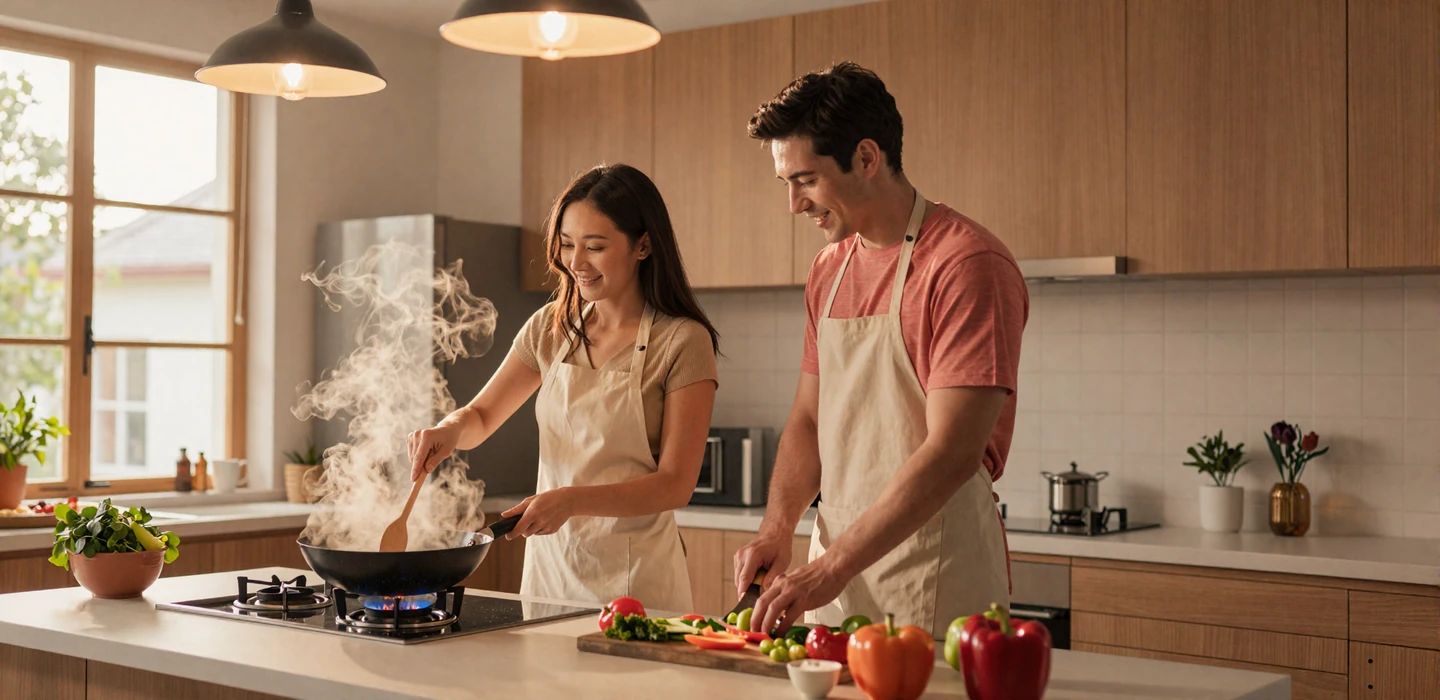
Food is the universal love language - and in cross-cultural relationships with Asian women, cooking together becomes one of the most powerful ways to build trust, share heritage, and create lasting memories. Couples who regularly prepare meals together report higher relationship satisfaction and stronger emotional bonds than those who don't, and when the recipe comes from your partner's culture, the experience doubles as an act of love and cultural respect. On Localdatingusa, thousands of couples have discovered that the kitchen is where real connection simmers.
This guide gives you everything you need to plan unforgettable Asian cuisine date nights - from signature dishes organized by culture to restaurant etiquette tips and practical ideas for turning your kitchen into a weekly date night destination. Whether you're just starting to chat with a match or already building a life together, food is the thread that ties every stage of your relationship closer.
Key Takeaway: Cooking Asian food together isn't just about the meal - it's about showing genuine interest in your partner's heritage, learning new skills side by side, and creating shared rituals that strengthen your bond over time.
Why Cooking Together Builds Stronger Relationships
Sharing a kitchen with your partner activates something no restaurant dinner or movie date can replicate: collaboration under gentle pressure. You're dividing tasks, communicating about timing, laughing when the garlic burns, and celebrating when the dish comes together. That cycle of teamwork, vulnerability, and shared reward mirrors the emotional dynamics of a healthy relationship.
For cross-cultural couples, cooking together carries an additional layer of meaning. When you ask your partner to teach you her grandmother's dumpling recipe or walk you through the spice balance in her family's curry, you're telling her that her culture matters to you - not as an abstract concept, but as something you want to experience with your hands, your senses, and your time. That demonstration of respect builds trust faster than any words can.
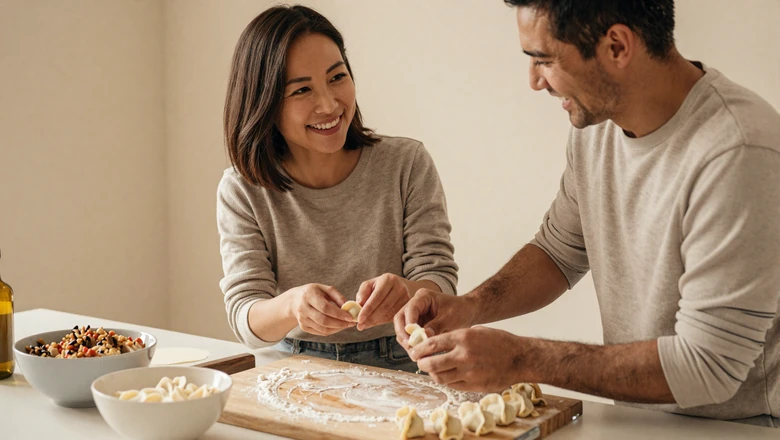
Consistency matters here too. Making Asian cuisine a regular part of your weekly routine - whether it's Saturday night pad thai or Sunday morning congee - creates a shared ritual that anchors your relationship. These small traditions become "your thing," building a shared identity that deepens with every meal.
Signature Dishes to Cook Together by Culture
Every Asian culture has dishes that are perfect for couples to prepare together - recipes that require two sets of hands, reward patience, and taste better when shared. Here are standout options organized by nationality, each with a difficulty level so you can start simple and build your skills together.
Malaysian Rendang
This slow-cooked coconut curry is a labor of love - and that's exactly what makes it perfect for date night. One of you manages the spice paste while the other monitors the slow simmer. The rich, aromatic result is deeply satisfying and gives you hours of kitchen conversation time. Difficulty: Intermediate. If you're interested in learning more about dating Malaysian women, understanding rendang is a wonderful cultural entry point - it's served at weddings, celebrations, and family gatherings across Malaysia.
Singaporean Laksa
This spicy coconut noodle soup showcases Singapore's multicultural food identity. One partner can prepare the laksa paste from scratch while the other assembles toppings - shrimp, tofu puffs, bean sprouts, and fresh herbs. The customizable assembly makes it interactive and fun. Difficulty: Intermediate. Singaporean women often grow up with hawker center culture, where laksa is a beloved staple - asking her to share her favorite version shows genuine curiosity.
Mongolian Buuz (Steamed Dumplings)
Folding buuz together is a meditative, tactile activity that naturally encourages conversation and closeness. The meat-filled dumplings are traditionally prepared in large batches by families, so making them as a couple honors that communal spirit. Difficulty: Easy to Moderate. Exploring Mongolian women dating culture reveals that food preparation is deeply tied to family bonds and hospitality traditions.
Thai Pad Thai
Fast, vibrant, and endlessly customizable. One person handles the wok while the other preps the garnishes - crushed peanuts, lime wedges, chili flakes, and fresh cilantro. The rapid-fire cooking builds energy and excitement. Difficulty: Easy.
Japanese Gyoza
Like buuz, gyoza is a folding-and-filling activity that invites side-by-side teamwork. The crispy pan-fried result is addictively good, and the assembly line setup makes it easy to chat, laugh, and taste-test along the way. Difficulty: Easy.
Korean Bibimbap
Each partner can take charge of different banchan (side dishes) before assembling the final bowl together. The colorful, nutritious result is visually stunning and endlessly personalizable with your favorite toppings. Difficulty: Easy to Moderate.
Asian Restaurant Date Night Ideas Across America
Not every date night needs to happen in your kitchen. Asian restaurants across the United States offer interactive dining experiences that are ideal for couples - especially when you understand the cultural context behind each style.
- Dim Sum Brunch - Sharing dozens of small dishes from rolling carts creates a playful, adventurous atmosphere. Point at unfamiliar items and try them together. The communal style encourages openness and discovery.
- Omakase Sushi - Sitting at the sushi bar and trusting the chef's selections is an exercise in shared patience and refined taste. It's intimate, quiet, and perfect for deep conversation between courses.
- Hot Pot - The interactive, cook-at-your-table format of hot pot makes it one of the best couple dining experiences available. You choose ingredients together, cook them in simmering broth, and build shared preferences over the meal. Hot pot traditions span from Chinese to Mongolian cuisine, each with distinct flavor profiles worth exploring together.
- Korean BBQ - Grilling meat tableside is inherently collaborative. One person manages the grill timing while the other wraps lettuce ssam. The lively, hands-on format makes it impossible to be bored.
- Thai Night Market Style - Many American cities now host Asian night market events with dozens of food stalls. Walking through together, sampling dishes, and people-watching creates a relaxed, festival-like date atmosphere.
Food Etiquette Across Asian Cultures: What to Know
Understanding basic food etiquette shows cultural awareness and prevents awkward moments during meals with your partner or her family. Here's a quick-reference guide for the cultures you're most likely to encounter.
| Culture | Chopstick Rules | Sharing Style | Tipping Custom | Key Taboo |
|---|---|---|---|---|
| Chinese | Never stick upright in rice | Communal dishes, family-style | Not expected in China; 15-20% in US | Flipping a whole fish over on the plate |
| Japanese | Don't pass food chopstick-to-chopstick | Individual portions, some shared plates | Never tip - considered rude in Japan | Pouring your own drink (pour for others first) |
| Korean | Metal chopsticks; don't lift bowls | Many shared banchan side dishes | Not expected in Korea; 15-20% in US | Starting to eat before the eldest at the table |
| Thai | Fork and spoon primary; chopsticks for noodles | Communal dishes ordered for the table | Small tips appreciated in Thailand | Taking the last bite without offering it first |
| Vietnamese | Hold bowl close when eating noodles | Communal with individual dipping sauces | Small tips in Vietnam; 15-20% in US | Wasting food - finish what you take |
| Malaysian | Right hand preferred in Malay culture | Shared dishes, family-style eating | Service charge often included | Eating with left hand in traditional settings |
When in doubt, watch what your partner does and follow her lead. Asking "Can you teach me the right way to do this?" is always better than guessing - and it's a compliment she'll appreciate.