
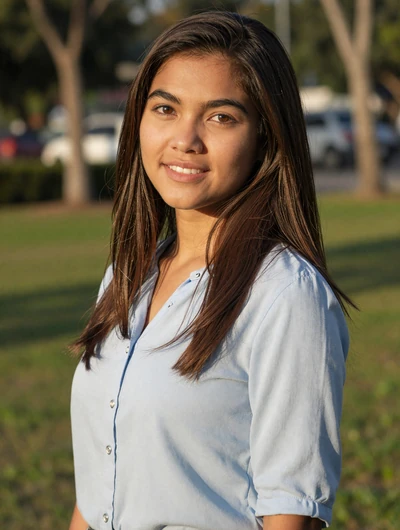
Maria Santos✓
27 · Los Angeles, CA

Connect with verified Filipina women in the USA who believe in faith, family, and forever. Start your love story on America's most trusted Asian dating platform.
Filipino women dating in the United States represents one of the most vibrant and deeply rewarding paths to lasting love available on any cross-cultural dating platform in 2026. The Philippines is the only predominantly Catholic nation in Asia, and that faith-based foundation shapes every dimension of Filipino courtship - from the way a woman evaluates a potential partner to how her family welcomes him into their world. If you are an American man seeking a genuine, committed relationship with a Filipina, understanding these cultural pillars gives you an extraordinary advantage.
Filipino courtship is built on three interlocking values: panliligaw (traditional courtship), pamilya (family-first devotion), and tapat na pagmamahal (sincere love). These are not abstract ideals - they are lived practices that shape daily decisions, relationship milestones, and lifelong commitments. A Filipina woman approaches romance with the expectation that the man pursuing her will demonstrate patience, consistency, and genuine intent before she opens her heart.
The traditional Filipino courtship process - panliligaw - is one of the most structured and intentional courtship systems in all of Asia. Historically, a suitor would visit the woman's home regularly, demonstrate his character to her parents, and sometimes even serenade her beneath her window in a tradition called harana. While modern Filipinas no longer expect serenades, the underlying expectations remain: a man must prove his sincerity through consistent action, not just words.
In practice, this means showing up reliably. Daily messages, thoughtful gestures, remembering details she shares about her life, and always following through on promises. A Filipina notices whether you text good morning consistently, whether you ask about her mother's health, and whether your actions align with your stated intentions. These small, steady signals carry far more weight than grand romantic gestures.
This emphasis on courtship patience echoes traditions found among Vietnamese women, who also value steady, respectful pursuit over rushed declarations of love.
Over 86% of Filipinos identify as Roman Catholic, making the Philippines the third-largest Catholic nation in the world. This faith influences relationship expectations profoundly. Most Filipina women view marriage as a sacred, lifelong covenant - not simply a legal contract. Divorce remains illegal in the Philippines (the only country besides Vatican City where this is the case), reflecting the cultural weight placed on marital permanence.
For American men, this means a Filipina partner typically approaches the relationship with extraordinary seriousness. She is not dating casually - she is evaluating whether you can be her lifelong partner, the father of her children, and a man her family can trust. This depth of commitment, once earned, creates a partnership of remarkable loyalty and devotion.
In Filipino culture, family is not just important - it is everything. The concept of utang na loob (debt of gratitude) means that Filipinas feel a deep, enduring obligation to support their parents, siblings, and extended family. This is not a burden - it is a source of pride and identity. When a Filipina marries, her husband becomes part of this family network, gaining not just a wife but an entire community of warmth, support, and celebration.
Winning the approval of her family - particularly her mother - is the single most important milestone in a relationship with a Filipina. Her nanay (mother) and tatay (father) will observe your character, your respect for Filipino customs, and your willingness to participate in family gatherings with genuine enthusiasm. Once you earn that approval, the entire family becomes your strongest ally.
| Aspect | Manila / Urban | Provincial / Traditional |
|---|---|---|
| Partner Selection | Self-chosen with family awareness | Family-guided, community-observed |
| First Date Setting | Restaurants, coffee shops, malls | At the woman's home with family present |
| Communication Style | Open, uses apps and social media freely | Reserved in public, warm in private settings |
| Courtship Duration | 3-12 months before exclusivity | 6-18 months of visiting before formal commitment |
| Family Involvement | Supportive, introduced after several dates | Immediate - family meets suitor from day one |
| Religious Expectations | Moderate - Sunday Mass, holidays | Strongly observant - daily prayers, novenas |
| Physical Affection | Moderate PDA acceptable | Very conservative - minimal physical contact |
27 · Los Angeles, CA
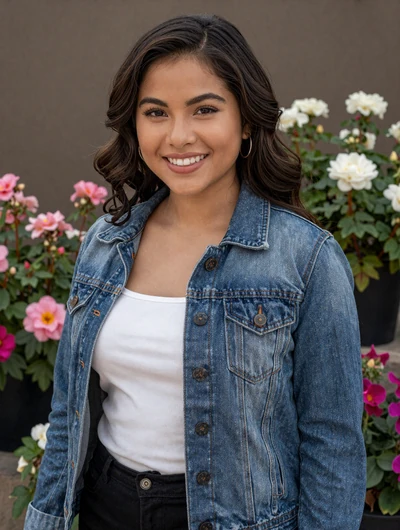
25 · San Francisco, CA
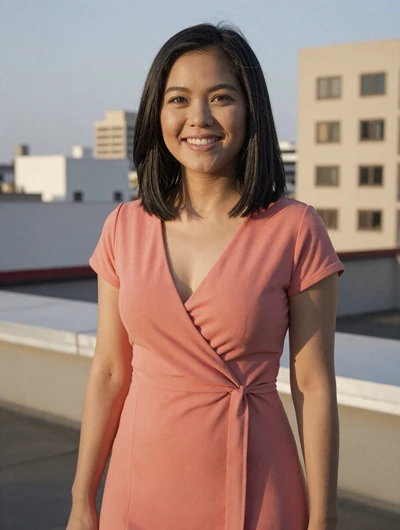
30 · New York, NY

28 · Chicago, IL
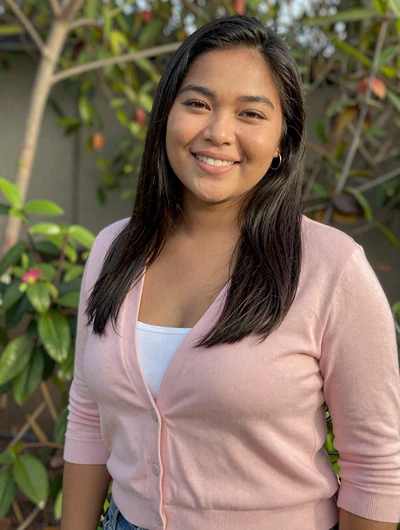
32 · Houston, TX
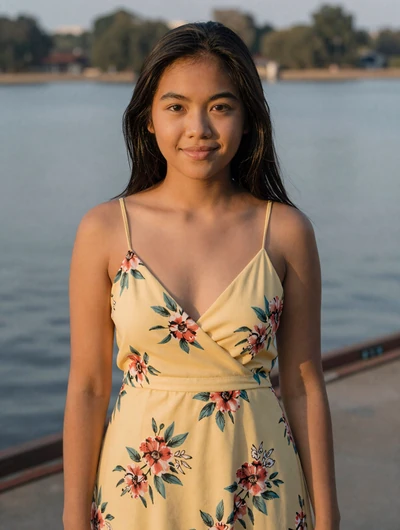
24 · Seattle, WA
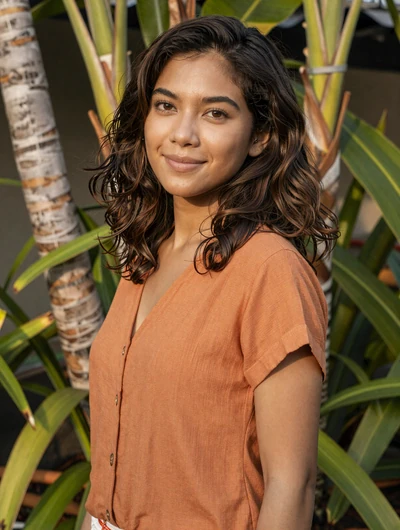
29 · Miami, FL

26 · Dallas, TX
Dating a Filipina is an experience defined by warmth, laughter, deep spiritual conviction, and a level of family devotion that transforms the way you understand love. Filipino women consistently rank among the most sought-after partners on international dating platforms - not because of superficial charm, but because the values they bring to a relationship create partnerships of extraordinary depth and resilience. Here is your complete guide to navigating this beautiful, faith-driven cultural journey.
In Filipino culture, you are not just dating a woman - you are courting an entire family. The single most important person to impress is her nanay (mother). Filipino mothers are the emotional anchors of the household, and their opinion on a potential son-in-law carries decisive weight. A Filipina who is serious about you will want her mother to meet you early in the relationship - and her mother will be watching everything.
Pro Tip: When visiting her family for the first time, bring pasalubong (a thoughtful gift) - a box of pastries, fruits, or specialty items from your city. Use "po" and "opo" when addressing her parents to show respect - these are Filipino honorific particles that signal deference to elders. Offer to help clear the table after meals and always accept food when offered, even if you are full. These small gestures create a lasting impression of respect and sincerity.
Her father, tatay, will focus on your ability to provide stability and security. Filipino fathers may be quieter in their assessment, but they observe whether you treat their daughter with genuine respect, whether your career demonstrates responsibility, and whether you can participate in family activities without awkwardness. Once both parents give their blessing, the path to marriage opens with the full support of her extended family.
Filipino women expect chivalry, and this expectation is not rooted in old-fashioned gender roles - it is rooted in the courtship tradition of panliligaw, where a man demonstrates his worthiness through consistent acts of care and respect. Specific expectations include:
This culture of gentlemanly behavior shares strong parallels with Thai women dating customs, where respectful male initiative is equally valued in building romantic trust.
Filipino is the national language (based on Tagalog), and while virtually all Filipinas speak excellent English, using Tagalog phrases creates an instant emotional connection. These essential expressions show effort that transcends language barriers:
| Tagalog Phrase | English Meaning | When to Use |
|---|---|---|
| Magandang umaga | Good morning | Daily greeting - sends a warm morning text |
| Kumusta ka? | How are you? | Opening any conversation with genuine interest |
| Mahal kita | I love you | Only when you truly mean it - carries deep weight |
| Salamat po | Thank you (respectful) | After meals, gifts, or any family hospitality |
| Maganda ka | You are beautiful | Sincere compliment - use sparingly for impact |
| Namiss kita | I miss you | During long-distance periods - deeply romantic |
| Kain tayo | Let's eat together | Inviting her to share a meal - food is love in Filipino culture |
| Opo / Po | Respectful yes / sir/ma'am | When speaking to her parents or elders - always |
Catholicism is not merely a religion for most Filipinas - it is a way of life that permeates daily routines, holiday celebrations, and relationship expectations. Understanding this dimension is critical for building a successful partnership:
Even if you are not Catholic, demonstrating respect for her faith and willingness to participate in religious community events will earn you deep appreciation from both her and her family.
Filipino culture revolves around fiestas - community celebrations featuring abundant food, music, dancing, and family togetherness. When a Filipina invites you to a fiesta or family reunion, she is inviting you into her inner world. These events are where relationships are cemented, where extended family evaluates you, and where lifelong bonds are formed over lechon (roasted pig), pancit (noodles), and karaoke.
The Filipino concept of bayanihan (community spirit and helping each other) extends to relationships. Your Filipina partner will expect you to be generous with your time, present at family gatherings, and willing to help without being asked. This communal orientation creates families that are incredibly supportive and connected - a stark contrast to the isolation many American men experience in Western dating culture.
These cultural dynamics reflect a broader Southeast Asian pattern of family-centered courtship. You will find similar values - with distinct local flavors - among Indonesian women and Malaysian women, who also prioritize family approval and respectful courtship in their approach to relationships.
The journey from first message to lifelong partnership with a Filipina combines emotional depth, cultural immersion, and practical planning. Whether you are building a relationship with a Filipina-American professional in California or navigating a long-distance connection with someone in Manila or Cebu, these strategies will help you create a resilient, deeply fulfilling partnership that stands the test of time.
If your Filipina partner lives in the Philippines and your relationship progresses toward marriage, the K-1 fiancée visa is the most common pathway for bringing her to the United States. The Philippines consistently ranks among the top countries for K-1 visa issuances, meaning USCIS and the US Embassy in Manila are experienced with Filipino applicants. Key facts to plan for:
Many successful couples on our platform recommend consulting an immigration attorney early - ideally before filing the petition. David Caldwell, a Localdatingusa member, shared: "Hiring a US immigration attorney proactively helped us avoid a potential visa denial that could have delayed our reunion by another year."
Filipinas who work or live overseas are known as balikbayan - literally "returning to the nation." The balikbayan tradition involves regularly sending money, gifts, and support to family back home. If your Filipina partner sends remittances to her family in the Philippines, this is a deeply ingrained cultural practice that reflects her sense of family responsibility, not financial irresponsibility.
Open, honest conversations about finances are essential. Discuss expectations around family support early in the relationship. Most Filipina-American couples find a comfortable balance where both partners contribute to their household while the wife continues modest support for her parents - much as many American families support aging parents. The key is transparency and mutual agreement, not avoidance of the topic.
The Philippines is 12-13 hours ahead of US Eastern Time, making time zone coordination essential for sustained connection:
These long-distance strategies mirror the patterns followed by successful couples in Vietnamese women dating, where consistent communication across time zones is equally critical to relationship success.
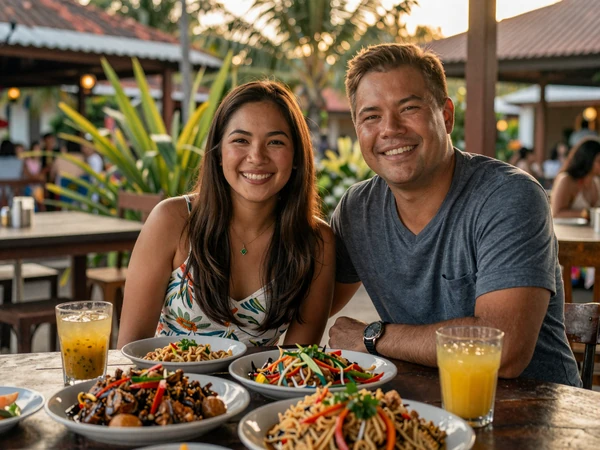
Filipino women are among the most sought-after partners on cross-cultural dating platforms worldwide, and for profoundly compelling reasons. Here are the qualities American men on Localdatingusa value most:
These strengths make Filipino women dating one of the most rewarding experiences available on cross-cultural platforms in 2026. The combination of deep faith, family loyalty, English fluency, and genuine warmth creates partnerships that are both emotionally rich and practically sustainable across cultures.
Family approval is the single most important milestone in a relationship with a Filipina. Filipino culture is deeply family-centered, and most women will not commit to marriage without their parents' blessing - particularly their mother's. Earning family approval involves demonstrating financial stability, respectful behavior toward elders, genuine interest in Filipino culture, and regular participation in family gatherings. Once you receive the family's blessing, you gain not just a wife but an entire support network of warmth and loyalty.
Yes, age differences are generally more accepted in Filipino culture than in Western dating contexts. Relationships with 5-15 year age gaps are common and culturally normalized, particularly when the man demonstrates maturity, financial stability, and genuine commitment. Filipino families prioritize character, sincerity, and the ability to provide a stable home over age matching. What matters most is that both partners share mutual respect, aligned values, and clear commitment to building a lasting future together.
Filipino Catholic weddings are beautiful, ceremonial events. Key traditions include the Veil Ceremony (a white veil draped over the couple symbolizing unity), the Cord Ceremony (a figure-eight cord placed over the couple representing eternal bond), the Coin Ceremony (13 coins called arras representing prosperity), and multiple sponsors (ninongs and ninangs) who serve as wedding godparents. The reception features money dances, bouquet and garter tosses, and abundant Filipino feasting. Weddings typically have 150-500 guests including extended family and the entire community.
Many Filipinas send regular financial support (remittances) to their family in the Philippines - this is a deeply rooted cultural practice called utang na loob (debt of gratitude). This does not mean you are expected to fund her entire family. Most couples establish a transparent agreement where the wife continues modest support for her parents while both partners contribute to their household budget. The key is open communication about financial expectations early in the relationship. Most American-Filipina couples find a comfortable balance that respects both cultural values and shared financial goals.
For Filipino applicants in 2026, the K-1 fiancée visa process typically takes 8-14 months from the initial I-129F petition filing to visa issuance. The US Embassy in Manila has extensive experience processing Filipino K-1 applications, as the Philippines consistently ranks among the top K-1 visa countries. Total costs range from $2,000-$4,500 including USCIS fees, medical exams, embassy fees, and travel. After your fiancée enters the US, you must marry within 90 days. Consulting an immigration attorney early in the process can help avoid common documentation errors that cause delays.
Philippine Standard Time is 12-13 hours ahead of US Eastern Time. The most effective approach is scheduling daily video calls during the overlap between your evening (8-10 PM EST) and her morning (8-10 AM PHT). Weekend calls allow for longer, more relaxed conversations. Voice messages throughout the day maintain emotional closeness across the time gap. Many successful couples on our platform report that this intentional communication routine actually strengthens their bond by creating anticipation and consistent connection.
You do not need to be Catholic, but demonstrating respect for her Catholic faith is essential. Many Filipino families prefer their daughter to marry within the faith, but interfaith marriages are common and accepted - particularly when the non-Catholic partner shows genuine respect by attending Mass occasionally, participating in family prayer, and supporting Catholic traditions like Christmas Simbang Gabi and Easter celebrations. Some couples choose a Catholic church wedding with the non-Catholic partner obtaining a dispensation from the local diocese.
Yes, every Filipino woman on Localdatingusa undergoes our comprehensive verification process including photo verification, email confirmation, and optional video verification. Our 24/7 anti-scam team monitors profiles and investigates suspicious activity within hours. Verified profiles display prominent verification badges. Our Filipino member profiles maintain a 94% verification rate - the highest among all nationality categories on our platform - reflecting the strong community trust and authenticity of our Filipina members.