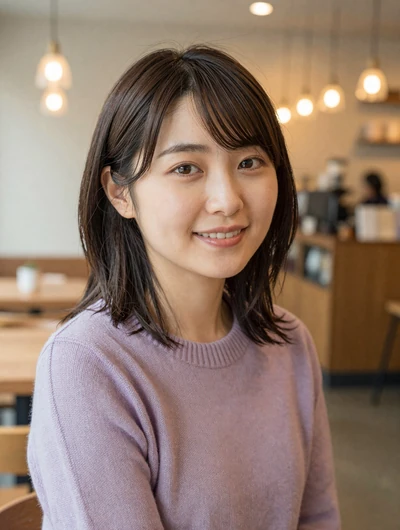
Yuki Tanaka✓
29 · Los Angeles, CA
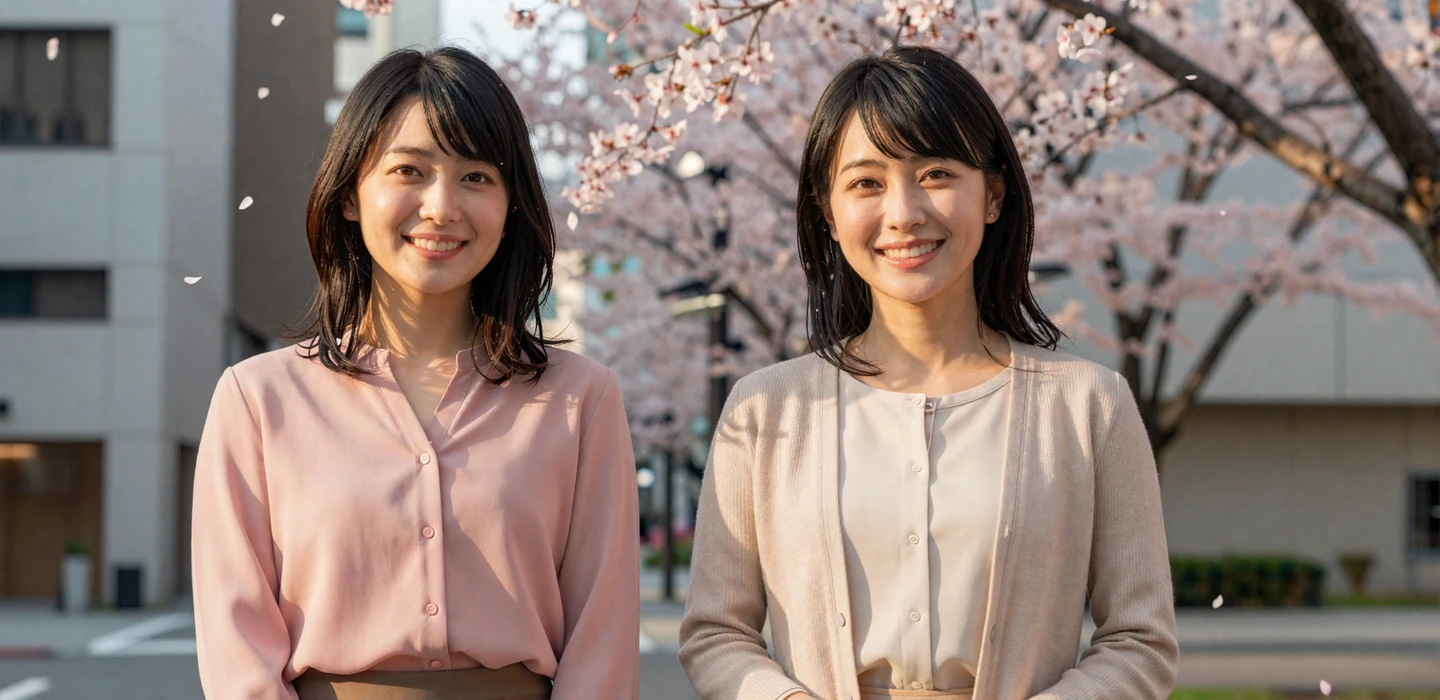
Meet verified Japanese women in the USA who value deep connection, sincerity, and lifelong partnership. Discover the beauty of kokuhaku culture and start your cross-cultural love story today.
Japanese women dating in the United States offers a profoundly rewarding experience defined by emotional sincerity, refined courtship rituals, and a cultural depth that transforms ordinary relationships into something extraordinary. If you are an American man seeking a genuine, lasting partnership with a Japanese woman, understanding the nuances of Japanese dating culture is your most powerful foundation for success.
At the heart of Japanese romance lies a concept that has no direct Western equivalent: kokuhaku (告白) - the formal love confession that marks the explicit beginning of an exclusive relationship. Unlike the ambiguous "talking stage" familiar in American dating, kokuhaku provides crystal-clear relational boundaries. When a Japanese woman accepts your kokuhaku, she is declaring her commitment to exploring a serious future with you. There is no guesswork, no undefined status - just honest, intentional partnership from day one.
Kokuhaku is more than a cultural custom - it is a philosophy of romantic honesty. In Japanese dating, relationships do not drift into existence through casual hook-ups or undefined situationships. Instead, one partner (traditionally the man, though modern Japanese women increasingly initiate) formally confesses their feelings with a direct statement like "Tsukiatte kudasai" (Please go out with me). This moment transforms two individuals from acquaintances or friends into an official couple.
For American men accustomed to gradual relationship escalation, kokuhaku can feel both refreshing and intimidating. The key is understanding that Japanese women value emotional courage and directness in this specific moment - even within a culture that otherwise prizes subtlety and indirect communication. Your willingness to express genuine feelings clearly will resonate deeply.
This emphasis on explicit commitment shares certain parallels with the structured courtship patterns in Korean women dating, where relationship milestones like the 100-day anniversary are celebrated with similar intentionality, though the emotional expression differs significantly between the two cultures.
Japanese culture is built on the concept of wa (harmony) - the belief that maintaining peaceful, balanced relationships is the highest social value. In romantic partnerships, wa manifests as a deep sensitivity to your partner's emotional state, a reluctance to create conflict through direct confrontation, and a preference for resolving disagreements through patience and mutual understanding rather than heated arguments.
A Japanese woman will rarely tell you directly that something is wrong. Instead, she may become quieter, more reserved, or subtly change her behavior. Learning to read these signals - and responding with gentleness rather than frustration - is essential to building trust. This communication style is not evasive; it is a sophisticated emotional intelligence rooted in centuries of cultural refinement.
Many Japanese relationships begin not through apps or cold approaches but through goukon (合コン) - organized group dates where equal numbers of men and women meet at a restaurant or izakaya. Goukon provides a low-pressure social context where connections develop naturally through shared food, drinks, and conversation. Among Japanese Americans, modern versions of goukon include dinner parties, cultural festivals, and community events organized by Japanese-American associations across the United States.
Understanding this social foundation helps explain why Japanese women may prefer meeting through mutual connections or community settings rather than aggressive direct messaging. Building rapport within a social context first, then transitioning to one-on-one dates, aligns perfectly with Japanese courtship expectations.
You will find a similarly community-oriented approach to dating among Chinese women, where family introductions and social networks play a central role in how romantic connections form.
| Aspect | Japanese Expectation | American Expectation |
|---|---|---|
| Relationship Start | Kokuhaku (formal confession) required | Gradual "talking stage" or DTR conversation |
| Public Affection | Minimal - hand-holding at most | Common - kissing, hugging in public |
| Communication Style | Indirect, context-dependent, reading "the air" (kuuki wo yomu) | Direct, verbal, explicit feedback |
| Gift-Giving | Frequent, thoughtful, beautifully wrapped | Occasion-based (birthdays, holidays) |
| Meeting Parents | Signals near-certain marriage intention | Common earlier, less commitment implied |
| Conflict Resolution | Avoidance, indirect signals, patience | Direct discussion, "clearing the air" |
| Valentine's Day | Women give chocolate to men (men reciprocate on White Day, March 14) | Men typically give gifts to women |
29 · Los Angeles, CA
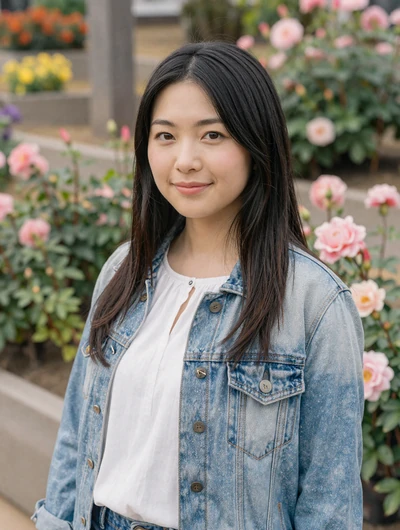
26 · San Francisco, CA

32 · New York, NY
27 · Seattle, WA

24 · Chicago, IL
30 · Houston, TX

36 · Dallas, TX

28 · Miami, FL
Dating a Japanese woman is an experience shaped by understated elegance, profound emotional depth, and a level of thoughtfulness in every interaction that most American men find genuinely transformative. Japanese women bring an extraordinary combination of intelligence, grace, and quiet strength to relationships - qualities cultivated through a culture that elevates attentiveness, patience, and sincerity above grand romantic gestures. Here is your essential guide to understanding the nuances that make Japanese dating unlike any other.
The single most important skill in dating a Japanese woman is learning to "read the air" - kuuki wo yomu (空気を読む). Japanese communication operates on multiple layers: what is said explicitly, what is implied through tone and context, and what is communicated through silence itself. A Japanese woman may say "chotto..." (a little...) when she means "no," or respond with "ii desu" (it's fine) when she is actually disappointed.
This is not deception - it is a culturally refined way of preserving harmony and protecting both parties' emotional dignity. As an American man, your greatest advantage is developing patience with this communication style. Rather than pressing for blunt answers, ask gentle follow-up questions, observe body language carefully, and give her space to express herself in her own timing.
Pro Tip: When a Japanese woman says "Maybe" or "I'll think about it," she is often declining politely. Rather than pushing for a definitive answer, acknowledge her response gracefully and move on. This demonstrates the emotional intelligence she values most in a partner - the ability to understand unspoken feelings without forcing verbal confirmation.
In Japanese culture, gift-giving is not a casual gesture - it is a refined art form with specific etiquette that reflects the depth of your respect and consideration. The Japanese concept of okurimono (贈り物) extends far beyond holidays and birthdays. Key principles include:
Japanese women value emotional privacy to a degree that can initially confuse American men accustomed to open, share-everything relationship dynamics. A Japanese woman may not discuss her deepest feelings, family problems, or personal struggles until the relationship has matured over many months. She is not shutting you out - she is protecting the emotional harmony of the relationship by processing complex feelings privately before sharing them with you.
Physical affection follows similar boundaries. Public displays of affection (PDA) are uncommon in Japanese culture. Hand-holding may develop after several dates, but kissing or embracing in public spaces will likely make her uncomfortable, especially around other Japanese people. Private moments of tenderness are where Japanese women express affection most freely and beautifully.
In Japanese dating culture, meeting a woman's parents (aisatsu / 挨拶) is not a casual milestone - it signals that you are seriously considering marriage. Unlike American dating where meeting parents might happen within the first few months, a Japanese woman will typically wait until she is confident the relationship is headed toward a lifelong commitment before arranging this introduction.
When the moment arrives, prepare meticulously:
The emphasis on formal family introductions as a precursor to marriage mirrors certain aspects of Taiwanese women dating, where family approval carries significant weight in the relationship's progression.
Japanese couples celebrate relationship milestones with a thoughtfulness that goes beyond Western norms. Key dates include:
Building a lifelong partnership with a Japanese woman requires cultural sensitivity, emotional patience, and a genuine willingness to understand the subtle dynamics that make Japanese relationships so deeply fulfilling. Whether you are connecting with a Japanese-American professional in Los Angeles or nurturing a long-distance bond with someone in Tokyo, these proven strategies will help your relationship thrive.
Even rudimentary Japanese creates an outsized emotional impact. Japanese women are deeply moved when an American man makes the effort to learn their language - it signals cultural respect at the most personal level. Start with these essential phrases:
Language apps like WaniKani, Duolingo Japanese, and Bunpro make learning accessible, while YouTube channels like JapanesePod101 provide conversational practice rooted in real cultural context.
Japan's work culture is intense, and even Japanese women living in the United States often carry deeply ingrained expectations around professional commitment and personal responsibility. She may work long hours, feel guilty about taking time off, or prioritize punctuality and reliability to an extent that surprises you. Rather than viewing this as emotional distance, recognize it as a cultural strength - she brings the same discipline and dedication to relationships that she does to her career.
Support her by respecting her work schedule, planning dates around her availability, and never making her feel guilty for professional commitments. She will reciprocate with a level of thoughtfulness and care in the relationship that is unmatched.
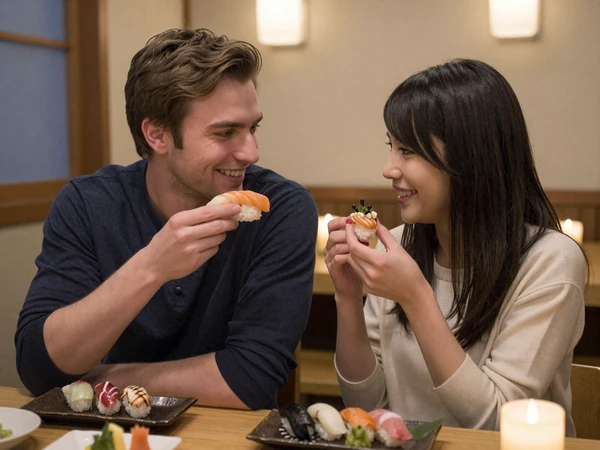
The most common cultural friction points in Japanese-American relationships include communication styles (indirect vs. direct), emotional expression (reserved vs. open), and conflict resolution (avoidance vs. confrontation). Successful couples on our platform consistently report that the key is not eliminating these differences but developing a shared "couple culture" that honors both backgrounds.
Practical strategies include:
Many of these cultural navigation strategies apply equally to relationships with Korean women, where similar East Asian communication patterns and family dynamics require thoughtful cross-cultural adaptation from Western partners.
Japanese women consistently rank among the most sought-after partners on international dating platforms, and the reasons extend far beyond surface attraction. Here are the qualities American men on our platform value most:
If your relationship with a Japanese woman living outside the United States progresses toward marriage, the K-1 fiancee visa will be your primary pathway. Key facts for Japanese applicants:
For Japanese women already residing in the US on work or student visas, adjustment of status after marriage may offer a streamlined alternative. Consulting an immigration attorney experienced with Japanese cases is strongly recommended.
Kokuhaku (告白) is a formal love confession that marks the official beginning of an exclusive relationship in Japanese dating culture. Unlike the gradual progression typical in American dating, kokuhaku requires one partner to directly express romantic feelings and ask the other to enter a committed relationship. This tradition eliminates ambiguity - once kokuhaku is accepted, both partners understand they are exclusively dating with serious intent. For American men, understanding and respecting this tradition demonstrates cultural awareness that Japanese women deeply value.
Localdatingusa connects you with over 14,500 verified Japanese women living across the USA, from major cities like Los Angeles, San Francisco, New York, and Seattle to smaller communities nationwide. Beyond our platform, you can meet Japanese women at cultural events hosted by Japanese-American community centers, sakura (cherry blossom) festivals, Japanese language exchange meetups, and through mutual connections at community gatherings. Our location-based search helps you find Japanese singles near your city.
Meeting her parents (aisatsu) is a significant milestone that signals marriage intent in Japanese culture. Prepare by dressing conservatively in business-casual attire, bringing a high-quality gift such as premium fruit or regional specialty sweets, and learning basic polite Japanese phrases. Bow upon greeting at approximately 30 degrees. Expect questions about your career, future plans, and intentions. Be respectful, listen attentively, and express gratitude for their hospitality. Punctuality is absolutely essential - arriving even one minute late is considered disrespectful.
Japanese women generally favor indirect communication, relying on context, tone, and non-verbal cues rather than explicit verbal statements. The concept of kuuki wo yomu (reading the air) is central - partners are expected to sense each other's feelings without requiring everything to be stated directly. A Japanese woman may express displeasure through quietness or subtle behavioral changes rather than confrontation. Developing sensitivity to these cues, being patient, and creating safe spaces for open dialogue will strengthen your connection significantly.
Most Japanese women on our platform, particularly those living in the United States, speak English at a conversational or fluent level. However, learning basic Japanese phrases like "Arigatou gozaimasu" (Thank you), "Oishii" (Delicious), and "Suki desu" (I like you) makes a profound emotional impact. Our platform also offers real-time translation tools for messaging. Language barriers tend to decrease naturally as the relationship deepens, and many couples develop their own bilingual communication style that blends both languages.
The most common mistakes include: pushing for public displays of affection (Japanese culture values physical privacy), interpreting indirect communication as dishonesty (it reflects cultural respect for harmony), assuming anime or pop culture represents her identity (most Japanese women find this reductive), discussing WWII or the atomic bombings insensitively, arriving late to dates or meetings (punctuality equals respect in Japan), and giving gifts in sets of four (the number four is associated with death). Avoiding these missteps shows the cultural intelligence she values most.
In Japanese dating culture, Valentine's Day (February 14) is when women give chocolate to men - honmei choco (true feeling chocolate) for romantic partners and giri choco (obligation chocolate) for colleagues and friends. Men reciprocate one month later on White Day (March 14), traditionally returning a gift of equal or greater value. This exchange ritual is an important expression of mutual affection. Participating in these traditions shows your Japanese partner that you honor her cultural customs and are invested in the relationship's cultural fabric.
Yes, every Japanese woman on Localdatingusa undergoes our comprehensive verification process including photo verification, email confirmation, and optional video verification. Our 24/7 anti-scam team monitors profiles and investigates suspicious activity within hours. Japanese member profiles maintain a 94% verification rate - among the highest across all nationality categories. Verified profiles display prominent verification badges so you can identify authentic members immediately, ensuring every connection begins on a foundation of trust.