
Aisyah Rahman✓
27 · Los Angeles, CA

Connect with verified Malaysian women in the USA who bring together Malay, Chinese, and Indian cultural richness in one extraordinary partnership. Begin your multicultural love story on America's most trusted Asian dating platform.
27 · Los Angeles, CA

29 · San Francisco, CA

26 · New York, NY
31 · Houston, TX

25 · Chicago, IL
28 · Dallas, TX
30 · Seattle, WA

26 · Miami, FL
Malaysian women dating in the United States offers something no other nationality can - the experience of three rich Asian civilizations woven into a single cultural identity. Malaysia's population is approximately 69% Bumiputera (predominantly Malay), 23% Chinese, and 7% Indian, with each community maintaining vibrant traditions, languages, and relationship customs that shape how Malaysian women approach love, family, and partnership.
If you are an American man seeking a genuine, lasting relationship with a Malaysian woman, this multicultural richness is your greatest advantage. A Malaysian partner does not bring you one culture - she brings you a lifetime of diverse perspectives, celebrations, cuisines, and family traditions that keep a relationship endlessly interesting and deeply fulfilling.
Malay women - the largest demographic group in Malaysia - are predominantly Muslim, and Islamic values play a foundational role in their approach to courtship and marriage. The concept of adat (customs and etiquette) governs social interactions, emphasizing politeness, modesty, and respect for elders. Malay courtship traditionally involves a merisik (secret investigation), where the man's family discreetly inquires about the woman's availability, followed by a meminang (formal proposal ceremony).
Among Malay-American women in cities across the United States, these traditions have evolved into a beautiful blend of Islamic values and modern independence. Many Malay women in the diaspora make their own partner choices while maintaining deep respect for parental guidance - creating relationships that are both self-determined and family-supported.
Chinese-Malaysian women bring a unique blend of Chinese cultural values filtered through the distinctly Malaysian muhibbah (multicultural harmony) spirit. These women often value education, career stability, and financial prudence in a partner - qualities rooted in Confucian respect for scholarship and achievement. However, unlike women from mainland China, Chinese-Malaysians are typically bilingual or trilingual (Mandarin, English, Malay, and often a Chinese dialect like Hokkien, Cantonese, or Hakka), giving them remarkable adaptability in cross-cultural relationships.
Family expectations among Chinese-Malaysians tend to emphasize compatibility, career prospects, and long-term stability. The cultural threads here connect naturally to what you will find when exploring Singaporean women dating, where similar Chinese diaspora values shape courtship in a cosmopolitan setting.
Indian-Malaysian women - predominantly Tamil, with smaller Punjabi, Telugu, and Malayalam communities - bring extraordinary warmth, expressiveness, and devotion to relationships. Indian-Malaysian courtship traditions draw from Hindu, Sikh, and Muslim customs depending on the family's religious background. The emphasis on family involvement, auspicious timing, and elaborate celebrations creates a courtship experience rich in meaning and community support.
The family-centered values of Indian-Malaysian women parallel the traditions you will discover when exploring Indonesian women dating, where diverse religious backgrounds similarly shape how women approach love and commitment across Southeast Asia.
| Aspect | Malay | Chinese-Malaysian | Indian-Malaysian |
|---|---|---|---|
| Religious Influence | Islam - halal dating norms, modesty | Buddhist/Taoist - pragmatic, family-oriented | Hindu/Sikh - auspicious dates, elaborate rituals |
| Family Role | Central - formal merisik and meminang process | Advisory - parents expect compatibility and stability | Highly involved - elders consulted at every stage |
| Communication Style | Polite and indirect; respect through gentle speech | Direct but measured; values clarity and honesty | Expressive and warm; emotional depth valued |
| Marriage Expectations | Islamic nikah ceremony; mehr (bridal gift) | Tea ceremony; financial gifts and dowry customs | Elaborate multi-day wedding; horoscope matching |
| Dating Timeline | Moderate - 6-14 months before engagement | Flexible - 1-2 years with practical milestones | Family-paced - 6-18 months with family milestones |
Religion shapes the dating landscape in Malaysia more profoundly than in almost any other Southeast Asian country. Malaysia's constitution establishes Islam as the official religion, and Malay Muslims are governed by Sharia-based family law alongside the civil legal system. For Chinese-Malaysians, Buddhist and Taoist traditions guide courtship expectations, while Indian-Malaysians may follow Hindu, Sikh, or Muslim customs depending on their community. Understanding these distinctions is essential for any American man pursuing a genuine relationship with a Malaysian woman.
Under Malaysian law, all ethnic Malays are legally classified as Muslim, and interfaith marriage with a Malay woman requires the non-Muslim partner to convert to Islam. Among Malay-American women in the USA, this expectation varies - some maintain the traditional requirement, while others in the diaspora approach interfaith relationships with greater flexibility. The critical factor is open, honest communication about religious expectations early in the relationship.
Islamic courtship norms that Malay women may observe include avoiding being alone together (khalwat) before marriage, maintaining physical modesty, and involving a wali (male guardian, usually her father) in the formal marriage process. For diaspora women, these norms are often adapted rather than abandoned - creating a courtship style that honors Islamic principles while embracing the practical realities of life in America.
Chinese-Malaysian women from Buddhist or Taoist backgrounds generally have fewer religious restrictions on interfaith dating. Family expectations focus more on character, career stability, and willingness to participate in cultural traditions - such as ancestral prayers, Chinese New Year celebrations, and tea ceremonies - than on religious conversion. Indian-Malaysian Hindu women may involve horoscope matching (jathakam) and temple blessings as part of the courtship process, though these practices are more common among first-generation immigrants than among women raised in the USA.
| Religion | Courtship Norms | Interfaith Expectations | Key Ceremonies |
|---|---|---|---|
| Islam (Malay) | Modesty, chaperoned meetings, family wali | Conversion typically expected (varies in diaspora) | Nikah, akad nikah, bersanding |
| Buddhism/Taoism (Chinese) | Pragmatic courtship, family compatibility focus | Generally flexible; cultural participation valued | Tea ceremony, ancestral blessings |
| Hinduism (Indian) | Family involvement, horoscope matching possible | Flexible; respect for traditions is key | Engagement ceremony, temple wedding |
| Christianity (mixed) | Similar to Western norms with family respect | Open to interfaith; church involvement varies | Church wedding, family blessing |
The religious diversity of Malaysian women shares meaningful parallels with the multicultural dating landscape found in Bruneian women dating, where Malay Islamic culture blends with royal heritage and Southeast Asian warmth to create unique courtship dynamics.
Across all three of Malaysia's major cultural communities, family approval is not just important - it is the foundation on which lasting relationships are built. Malaysian women are raised with deep respect for parental wisdom and extended family bonds, and the men who succeed in building serious partnerships understand that winning the family's trust is as essential as winning the woman's heart.
The family approval process varies by ethnicity and generation, but the underlying principle is universal: a Malaysian woman's family wants to see that you are sincere, stable, respectful, and genuinely invested in her long-term happiness. Here is how the process typically unfolds:
This family-centered courtship process mirrors the values celebrated in Filipino women dating, where Catholic family traditions create similarly beautiful, community-supported pathways to marriage and lifelong partnership.
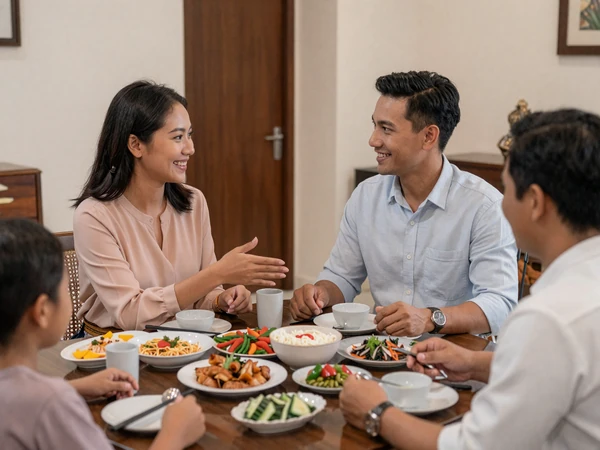
Pro Tip: When visiting a Malaysian home, always remove your shoes at the entrance. Bring a gift - fruit, pastries, or quality chocolates are universally appropriate across all three cultural communities. If her family is Muslim, ensure any food gifts are halal. Greet elders first, use both hands when giving or receiving anything, and accept every offer of food and drink with genuine enthusiasm. These small gestures communicate deep respect and earn lasting goodwill.
Malaysia is one of Southeast Asia's most urbanized and digitally connected nations, and this modernity profoundly shapes how Malaysian women approach dating in 2026. Kuala Lumpur - with its iconic Petronas Towers, vibrant night markets, and thriving tech sector - has produced a generation of women who seamlessly blend cosmopolitan ambition with deep cultural roots. Malaysian women working and studying in the USA bring this same sophisticated balance to their relationships with American men.
Online dating has become the primary pathway for cross-cultural connections involving Malaysian women, particularly those in the diaspora. Digital platforms offer the privacy, safety features, and cultural matching tools that make navigating Malaysia's multicultural dating landscape manageable and rewarding.
New York, Los Angeles, San Francisco, Houston, and Chicago host the largest Malaysian communities with active cultural associations and Merdeka celebrations.
Malaysian women in the USA pursue degrees in engineering, finance, medicine, and tech at impressive rates, valuing intellectual compatibility and shared ambition in partners.
Malaysian women are highly active on messaging platforms. WhatsApp and video calls are preferred over text-only communication for building emotional connection across distance.
Hari Raya open houses, Chinese New Year gatherings, Deepavali celebrations, and Malaysian food festivals offer organic opportunities to connect in genuine social settings.
Muhibbah - the spirit of multicultural goodwill, tolerance, and harmony - is Malaysia's defining social philosophy and the quality that makes Malaysian women uniquely exceptional partners. A Malaysian woman raised in the muhibbah tradition understands how to navigate cultural differences with grace, patience, and genuine curiosity. She has grown up celebrating Chinese New Year with Malay friends, fasting during Ramadan alongside Indian colleagues, and sharing mamak stall dinners with neighbors from every background.
This lived experience with multicultural harmony gives Malaysian women an extraordinary advantage in cross-cultural relationships with American men. She is not encountering cultural difference for the first time when she meets you - she has been navigating it beautifully her entire life.
Malaysia Standard Time is 13 hours ahead of US Eastern Time and 16 hours ahead of Pacific Time. Successful long-distance couples on our platform maintain connection through these proven strategies:
Malaysia is widely regarded as one of the greatest food destinations on Earth, and food is the universal love language across all of Malaysia's cultural communities. When a Malaysian woman shares her food with you - whether it is a steaming plate of nasi lemak, a fragrant bowl of laksa, or homemade roti canai - she is sharing her culture, her memories, and her heart. Understanding and appreciating Malaysian cuisine is one of the most powerful ways to deepen your connection.
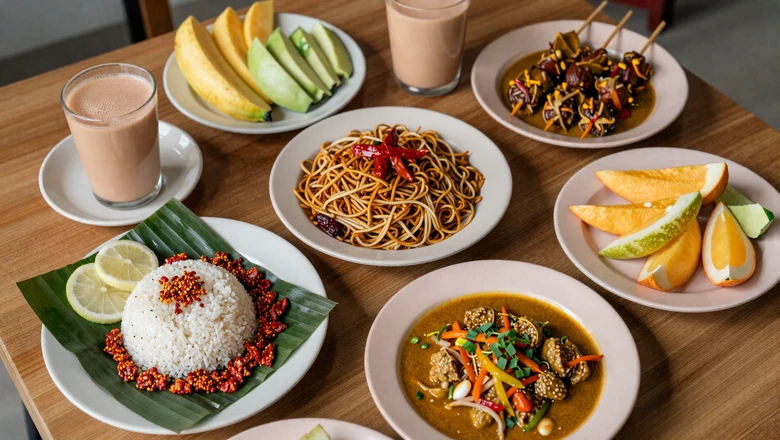
Food-centered dates resonate deeply with Malaysian women and provide natural conversation opportunities. Here are date ideas that demonstrate cultural appreciation:
The rich food culture of Malaysia extends across Southeast Asia, and you will find similar culinary traditions celebrated in Singaporean women dating and Indonesian women dating - sister nations that share many of Malaysia's beloved dishes with their own distinctive twists.
American men who have built relationships with Malaysian women consistently highlight these extraordinary qualities that make them exceptional partners:
If your relationship with a Malaysian woman living outside the United States progresses toward marriage, the K-1 fiancée visa is the primary pathway. Key considerations for Malaysian applicants:
Malaysia's three major cultural communities - Malay, Chinese, and Indian - each bring distinct dating norms. Malay women follow Islamic courtship customs emphasizing modesty and family involvement. Chinese-Malaysian women tend toward pragmatic, compatibility-focused dating with family advisory roles. Indian-Malaysian women may involve family elders and cultural traditions like horoscope matching. Understanding which cultural background your partner identifies with is essential for navigating expectations respectfully.
In Malaysia, marrying a Malay Muslim woman legally requires the non-Muslim partner to convert to Islam. Among Malay-American women in the USA, this expectation varies. Some maintain the traditional conversion requirement, while others in the diaspora are more flexible, especially if the man demonstrates genuine respect for Islamic values and agrees to raise children with awareness of Muslim traditions. Open, honest dialogue about religion early in the relationship is absolutely essential.
The Malaysian-American community numbers over 26,000 and is concentrated in major metropolitan areas including New York, Los Angeles, San Francisco, Houston, and Chicago. Malaysian Americans are typically highly educated professionals working in technology, healthcare, engineering, and finance. Community organizations host regular cultural events including Merdeka (Independence Day) celebrations, Hari Raya open houses, and Malaysian food festivals that provide excellent opportunities for social connection.
Most Malaysian women are multilingual. Bahasa Melayu (Malay) is the national language, and English is widely spoken as a second language, especially among educated urban Malaysians. Chinese-Malaysians often speak Mandarin and a Chinese dialect (Hokkien, Cantonese, or Hakka). Indian-Malaysians may speak Tamil, Hindi, or Punjabi. This multilingual ability makes Malaysian women exceptionally adaptable communicators in cross-cultural relationships.
Food is central to Malaysian identity and relationships. Sharing meals is the primary bonding activity across all three cultural communities. When a Malaysian woman cooks for you, it is a significant expression of affection. Showing genuine appreciation for Malaysian cuisine - learning about nasi lemak, laksa, satay, and rendang - demonstrates cultural respect that resonates deeply. Restaurant dates, home cooking together, and attending food festivals are among the most successful date ideas with Malaysian women.
Dress neatly and appropriately - Malaysians appreciate well-groomed partners. Choose a restaurant that serves Asian or Malaysian cuisine to show cultural awareness. Be punctual, as it reflects reliability. Ask genuine questions about her background, interests, and which Malaysian cultural traditions she holds dear. Show respect for her family by asking about her parents. Avoid discussing sensitive political or religious topics on the first date. Most importantly, listen actively and show authentic curiosity about her multicultural heritage.
Yes, every Malaysian woman on Localdatingusa undergoes our comprehensive verification process including photo verification, email confirmation, and optional video verification. Our 24/7 anti-scam team monitors profiles and investigates suspicious activity within hours. Verified profiles display prominent verification badges so you can identify authentic members immediately. Our Malaysian member profiles maintain a 94% verification rate, among the highest across all nationality categories on our platform.
Malaysia celebrates an extraordinary number of festivals across its three major communities. Hari Raya Aidilfitri (end of Ramadan) features open houses where guests of all backgrounds are welcome. Chinese New Year brings reunion dinners, lion dances, and red envelope traditions. Deepavali (Festival of Lights) celebrates the triumph of good over evil with oil lamps and family feasts. Merdeka Day (August 31) celebrates Malaysian independence. Attending these celebrations with your Malaysian partner demonstrates genuine cultural investment and earns deep respect from her family.