
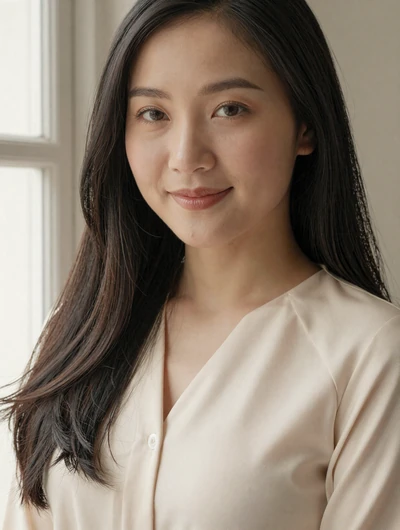
Linh Nguyen✓
27 · San Jose, CA
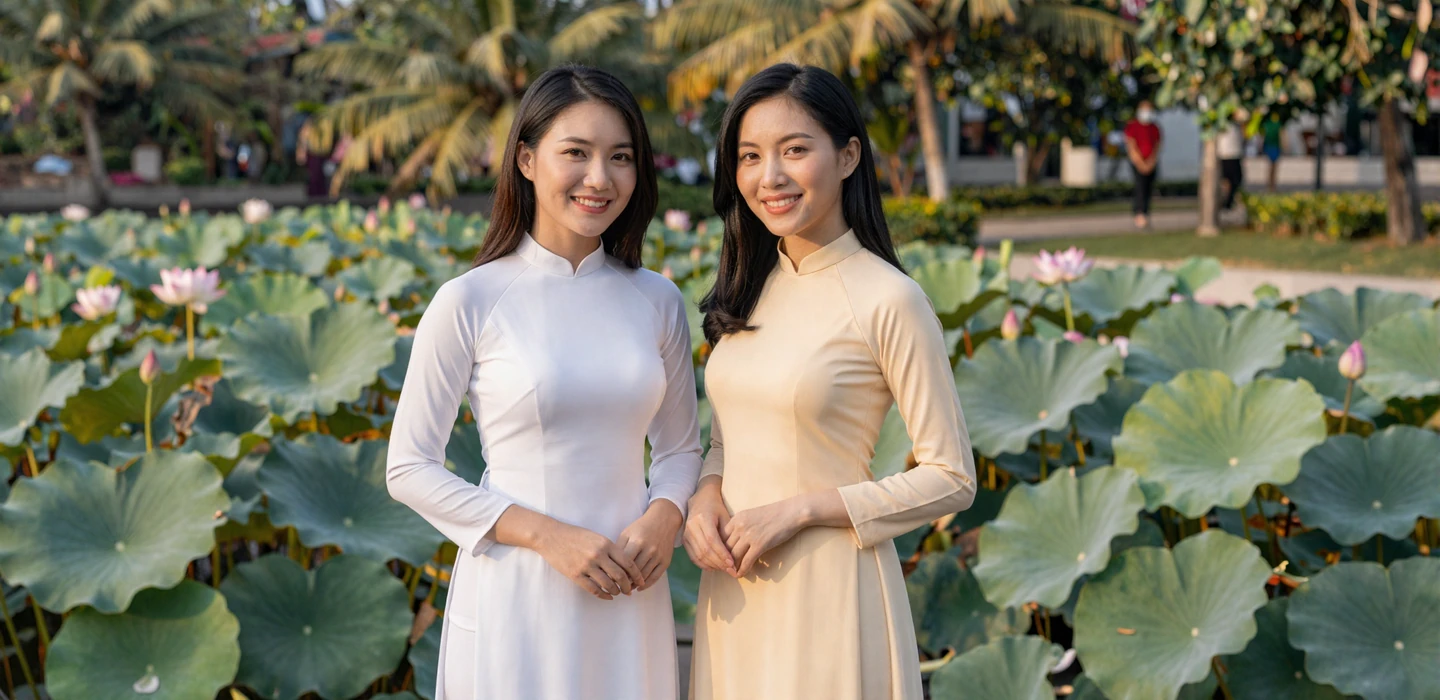
Connect with verified Vietnamese women in the USA who value family, loyalty, and lasting partnership. Discover your cross-cultural love story on America's most trusted Asian dating platform.
Vietnamese women dating in the United States opens the door to one of the most emotionally rich and culturally grounded relationship experiences in all of Asia. If you are an American man seeking a partner who combines quiet strength with deep devotion, understanding Vietnamese courtship traditions is your most valuable first step. Vietnamese women approach love with sincerity, patience, and an unshakeable commitment to family - qualities that consistently lead to strong, lasting marriages.
Vietnam's dating customs are shaped by three cultural pillars: Confucian family values (gia đình), Buddhist modesty and mindfulness, and a deep sense of national resilience forged through centuries of history. These influences combine to create women who are simultaneously gentle and remarkably strong - partners who bring harmony, emotional depth, and unwavering loyalty to every relationship they enter.
One of the most important distinctions in Vietnamese dating culture is the preference for indirect communication. Unlike Western relationships where directness is valued, Vietnamese women often express their feelings through subtle cues - a gentle change in tone, increased attentiveness, or quiet acts of care rather than verbal declarations. This is not evasiveness; it is a deeply intentional communication style rooted in respect and emotional sophistication.
When a Vietnamese woman says "maybe" or "I'll think about it," she may be expressing uncertainty, but she may also be signaling agreement in a softer, more face-saving way. Learning to read these nuances is essential. Pay close attention to her actions - a Vietnamese woman who consistently makes time for you, cooks for you, or introduces you to her friends is communicating genuine interest through her behavior, even if her words remain measured.
This indirect approach to emotional expression is common across Southeast Asian cultures. You will find similar communication patterns among Thai women, who also value subtlety and emotional restraint during the courtship period, though each culture expresses it through its own unique lens.
In Vietnamese culture, a romantic relationship is never just between two people - it is a bond between two families. Parental involvement in partner selection is not merely tradition; it is a practical expression of how Vietnamese society operates. A Vietnamese woman's parents, particularly her father, hold significant influence over whether a relationship can progress to marriage. Earning their trust is not optional - it is the foundation upon which your entire relationship is built.
Among Vietnamese Americans - a community of over 2.2 million across the United States - family involvement remains strong even in second and third-generation families. Cities like San Jose, Houston, Orange County, and New Orleans have thriving Vietnamese communities where cultural expectations around courtship, respect for elders, and family approval remain deeply ingrained. Understanding and embracing this dynamic will set you apart as a partner who genuinely respects her heritage.
Vietnam's Confucian heritage emphasizes respect for hierarchy, filial piety, and emotional restraint. These values shape how Vietnamese women approach relationships, even in modern urban settings. A Vietnamese woman may defer to her parents' opinions on major life decisions, prioritize her family's needs alongside her own, and expect her partner to demonstrate similar respect for family obligations.
At the same time, modern Vietnamese women - especially those living in the United States or in major Vietnamese cities - are highly educated, career-driven, and independent thinkers. The most successful cross-cultural relationships honor both her traditional roots and her contemporary ambitions, creating a partnership where cultural heritage and personal growth coexist beautifully.
This blend of tradition and modernity mirrors the experience of dating Filipino women, who also navigate a rich intersection of family-centered values and professional independence, though the Catholic influences in Filipino culture create distinct courtship dynamics.
| Aspect | Hanoi (Northern) | Ho Chi Minh City (Southern) |
|---|---|---|
| Communication Style | More reserved, formal, indirect | More open, expressive, casual |
| Family Involvement | Deeply traditional, strong parental authority | Important but more flexible, advisory role |
| Dating Pace | Slower, formal courtship expected | Slightly faster, more relaxed progression |
| Public Affection | Very discreet, minimal in public | Modest but more accepting of mild PDA |
| Fashion and Style | Conservative, elegant, understated | More modern, Western-influenced trends |
| First Date Setting | Tea houses, cultural venues, family introductions | Cafes, restaurants, outdoor activities |
27 · San Jose, CA
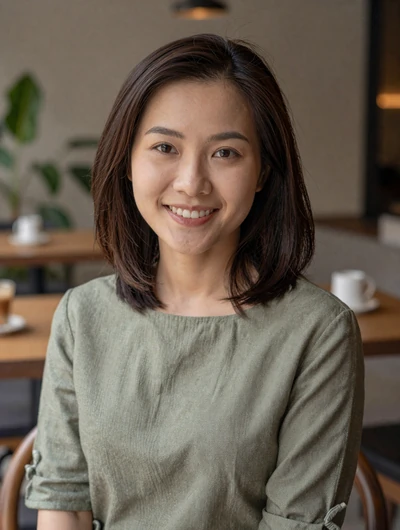
30 · Houston, TX

25 · Orange County, CA

33 · New Orleans, LA
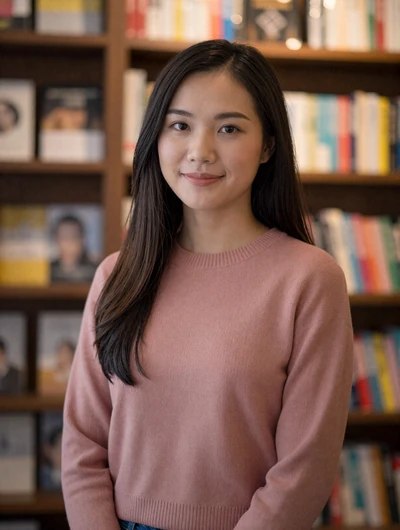
28 · Seattle, WA

26 · Dallas, TX
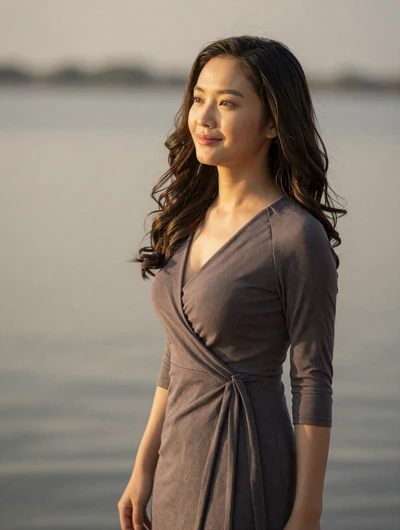
31 · San Francisco, CA

24 · Phoenix, AZ
Dating a Vietnamese woman is an experience that rewards patience, emotional attentiveness, and genuine cultural curiosity. Vietnamese women are known for their grace, inner strength, and deep loyalty - qualities that American men consistently describe as life-changing when they find the right match. This comprehensive guide covers everything you need to know to build a meaningful, respectful relationship.
Vietnamese communication relies heavily on context, tone, and nonverbal cues. A Vietnamese woman may not tell you directly that something bothers her - instead, she might become quieter, change the subject, or reduce her usual warmth. Learning to recognize these shifts is critical for maintaining emotional connection.
Key signals to watch for:
Modesty is a deeply held value in Vietnamese culture, and it extends beyond clothing choices to encompass emotional expression and physical intimacy. Vietnamese women generally prefer to build emotional depth before any physical progression, and public displays of affection - even hand-holding in the early stages - may feel uncomfortable for her, especially around family or community members.
Cultural Insight: The Vietnamese concept of "ý tứ" (tactfulness and awareness of social context) governs much of how Vietnamese women behave in relationships. It means being mindful of how your actions appear to others, maintaining dignity, and preserving harmony. When you demonstrate ý tứ in your behavior - being discreet, respectful, and socially aware - you earn profound respect from both her and her family.
Follow her lead on physical boundaries. Let her initiate hand-holding or closer physical contact. In private settings, she may be warmer and more expressive, but always let the progression happen naturally. This patience will be rewarded with a level of emotional intimacy and trust that is extraordinarily deep.
In Vietnamese culture, meeting the parents is not a casual event - it is a formal declaration that the relationship is serious and marriage-directed. Her parents will assess your character, career stability, long-term intentions, and your respect for Vietnamese traditions. Preparation is essential.
This parent-meeting protocol shares cultural parallels with courtship traditions among Cambodian women and Laotian women, where family elder approval is equally central to relationship progression, reflecting the broader Confucian and Buddhist influences across mainland Southeast Asia.
Vietnamese is a tonal language with six distinct tones, making pronunciation challenging but immensely rewarding when you get it right. Even imperfect attempts demonstrate genuine effort and cultural respect. Essential phrases include:
| Vietnamese | Pronunciation Guide | English Meaning |
|---|---|---|
| Xin chào | Sin chow | Hello |
| Cảm ơn | Gahm ern | Thank you |
| Em đẹp lắm | Em dep lahm | You are very beautiful |
| Anh yêu em | Anh ee-ew em | I love you (man to woman) |
| Anh nhớ em | Anh nyer em | I miss you |
| Ăn cơm chưa? | An germ chew-ah | Have you eaten? (caring greeting) |
| Hẹn gặp lại | Hen gap lie | See you again |
The phrase "Ăn cơm chưa?" (Have you eaten?) is particularly meaningful - in Vietnamese culture, asking about someone's meal is an expression of deep care and affection, not just a casual greeting. Using it with your partner signals that you understand the emotional weight behind everyday Vietnamese interactions.
Gift-giving in Vietnamese culture follows specific unwritten rules that, when observed, demonstrate cultural fluency and respect:
The journey from first conversation to lifelong partnership with a Vietnamese woman is one of cultural discovery, emotional investment, and shared growth. Whether you are connecting with a Vietnamese-American professional in San Jose or building a long-distance bond with someone in Saigon, these proven strategies will help you create a resilient, deeply fulfilling relationship.
If your Vietnamese match lives in a different time zone - Vietnam is 12-13 hours ahead of US Eastern Time - establishing a predictable communication rhythm is essential. Couples who succeed on our platform consistently follow these patterns:
Creating shared cultural experiences accelerates emotional bonding and demonstrates your commitment to her world:
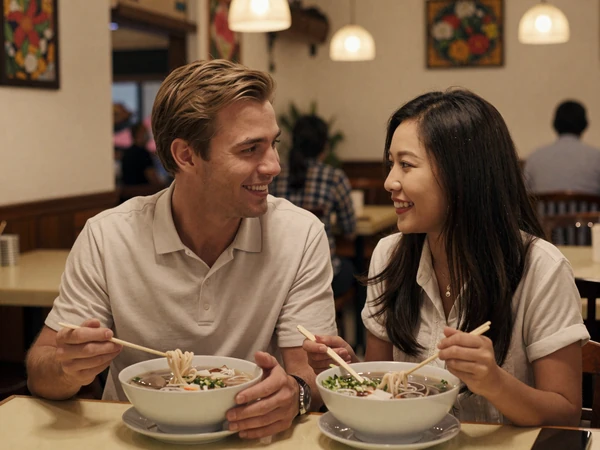
Visiting Vietnam to meet your partner and her family is a significant milestone that signals deep commitment. Key preparation tips for your first trip:
If your relationship progresses toward marriage and your partner lives in Vietnam, the K-1 fiancée visa is the primary pathway to bringing her to the United States. Essential facts:
For Vietnamese-American women already living in the United States, the relationship can progress naturally toward marriage without the complexities of international visa processing - one of the advantages of connecting with diaspora communities through our platform.
Vietnamese women are among the most sought-after partners in cross-cultural dating, and for deeply compelling reasons. Here are the qualities that American men value most:
These qualities share common ground with the warmth and dedication found among Thai women dating in the United States, though Vietnamese women bring their own uniquely refined and intellectually engaged perspective to partnerships.
Family approval is absolutely essential in Vietnamese culture and typically determines whether a relationship can progress toward marriage. Most Vietnamese women will not commit to a serious partnership without their parents' blessing - particularly their father's. Earning family approval requires demonstrating career stability, respectful behavior toward elders, sincere interest in Vietnamese traditions, and clear long-term commitment goals. Meeting her parents is a formal milestone that signals the relationship is marriage-directed.
Indirect communication in Vietnamese culture is rooted in Confucian values of harmony, respect, and face-saving. Vietnamese women often express feelings through actions, tone shifts, and subtle cues rather than direct verbal statements. To respond effectively, pay close attention to behavioral changes, ask gentle clarifying questions, and never pressure her into being more "direct" - that would be disrespecting a core aspect of her cultural identity. Over time, as trust deepens, communication naturally becomes more open.
Expect a formal, structured visit. Bring high-quality gifts for both parents - premium fruit, tea, or imported chocolates work well. Dress conservatively in a button-down shirt and slacks. Remove your shoes before entering their home. Address her parents using correct Vietnamese honorifics (ask your partner beforehand). Accept all food offered and eat at least a small portion of everything. Be prepared for questions about your career, family background, and future plans. Show deference to her father and warmth toward her mother.
Vietnamese culture traditionally values the man as a stable provider, but modern Vietnamese women - especially those living in the USA or in major cities - are highly educated professionals with their own careers and financial independence. What they value most is partnership and shared responsibility rather than one-sided dependence. Demonstrating financial stability is important to her family, but the expectation is reliability and ambition rather than extreme wealth. Many Vietnamese-American couples share financial responsibilities equally.
The K-1 fiancée visa process for Vietnamese applicants typically takes 12 to 18 months from initial petition filing to visa issuance. This includes USCIS processing of the I-129F petition (6-10 months), National Visa Center processing (1-2 months), and consular interview at the US Consulate in Ho Chi Minh City (1-3 months). Total costs including government fees, medical exams, document translation, and travel average $3,000 to $6,000. An experienced immigration attorney can help streamline the process and avoid costly delays.
Tết Nguyên Đán (Vietnamese Lunar New Year) is the most important cultural celebration in Vietnam - equivalent to Christmas, Thanksgiving, and New Year's combined. It is a time of family reunion, ancestor worship, and renewal. For couples, celebrating Tết together signifies deep integration into the family. Participating in Tết traditions - cleaning the home, preparing special foods like bánh chưng, giving lì xì (red envelopes), and visiting her family - demonstrates that you are fully committed to honoring her heritage.
The Vietnamese-American population exceeds 2.2 million, with the largest communities in Orange County, California (Little Saigon - the largest Vietnamese enclave outside Vietnam), San Jose, Houston, the Dallas-Fort Worth area, Seattle, the Washington DC metro area (particularly Northern Virginia's Eden Center), and New Orleans. These communities maintain vibrant cultural traditions, host regular festivals, and offer extensive Vietnamese dining and shopping. Connecting with these communities provides natural opportunities to meet Vietnamese women in authentic cultural settings.
Yes, every Vietnamese woman on Localdatingusa undergoes our comprehensive verification process including photo verification, email confirmation, and optional video verification. Our 24/7 anti-scam team monitors profiles and investigates suspicious activity within hours. Verified profiles display prominent verification badges for immediate identification. Our Vietnamese member profiles maintain a 93% verification rate, reflecting the genuine marriage-minded intent of our Vietnamese community - among the highest across all nationality categories on our platform.