

Dema Wangmo✓
26 · Columbus, OH
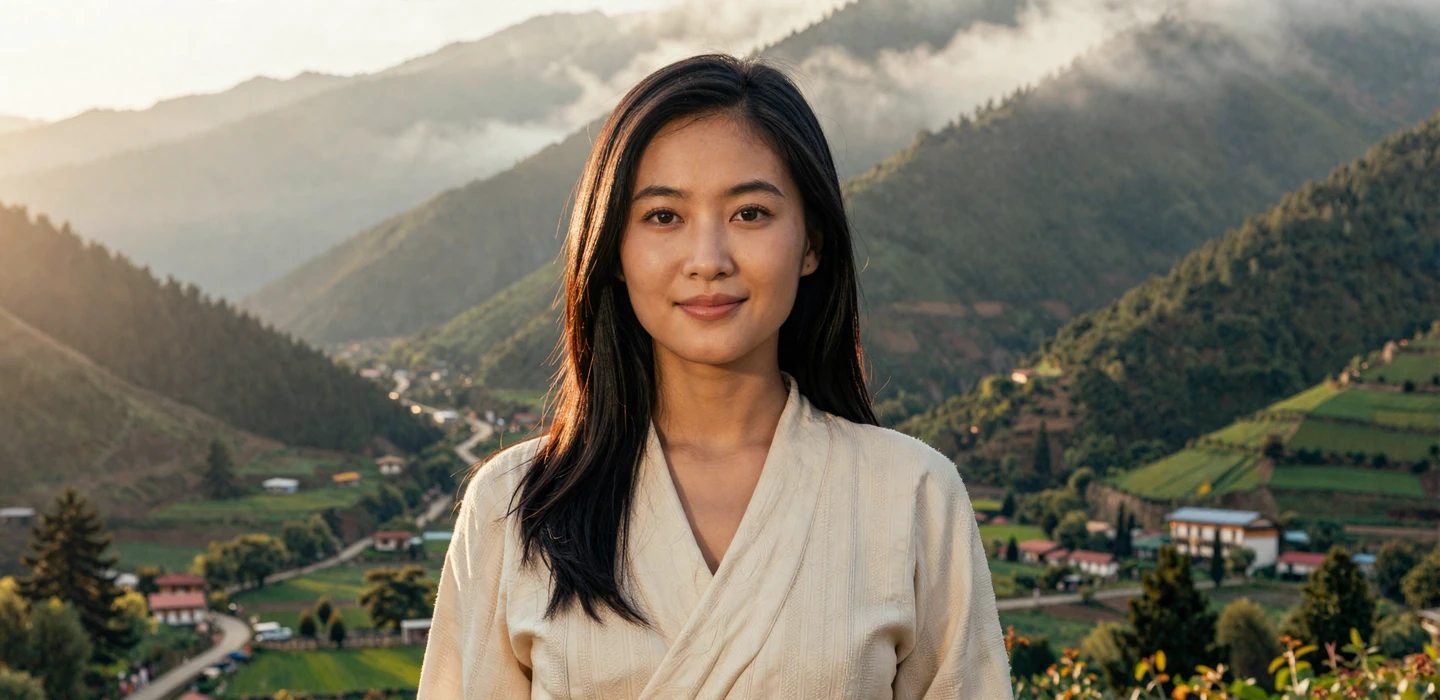
Connect with verified Bhutanese women in the USA who value happiness, mindfulness, and lifelong partnership. Start your journey toward meaningful cross-cultural love on America's most trusted Asian dating platform.
Bhutanese women dating in the United States is a rare and deeply fulfilling experience shaped by one of the world's most extraordinary cultural philosophies - Gross National Happiness (GNH). Bhutan is the only country on earth that measures national success not by GDP, but by the collective well-being, spiritual health, and emotional contentment of its people. When you date a Bhutanese woman, you are entering a relationship rooted in mindfulness, inner peace, and a genuine commitment to mutual happiness that goes far beyond surface-level attraction.
Bhutan - known locally as Druk Yul, the Land of the Thunder Dragon - is a small Himalayan kingdom nestled between India and Tibet. Its population of approximately 780,000 people maintains cultural traditions that have remained remarkably intact for centuries, largely because Bhutan was never colonized and only opened to tourism in 1974. This cultural continuity means that Bhutanese women carry values of authenticity, environmental reverence, and spiritual groundedness that are increasingly rare in the modern world.
The Bhutanese approach to relationships is fundamentally different from Western dating culture. Where Western courtship often emphasizes excitement, novelty, and individual desire, Bhutanese courtship centers on emotional balance (sem ga), family harmony (tshogpa), and spiritual compatibility. A Bhutanese woman does not seek a partner who dazzles her - she seeks a partner who brings stability, kindness, and genuine presence into her life.
The four pillars of GNH - sustainable development, environmental conservation, cultural preservation, and good governance - translate directly into how Bhutanese women approach love. A Bhutanese woman evaluates a potential partner through the lens of long-term sustainability: Will this relationship nurture both people's growth? Will it respect and preserve cultural identity? Will it create a balanced, harmonious household? These are not abstract ideals - they are practical relationship criteria embedded in daily Bhutanese life.
If you are drawn to the spiritual depth and family devotion of Himalayan cultures, you will find similar values among Nepali women, who share geographic proximity and cultural threads with Bhutan, though each nation maintains its own distinct traditions and identity.
The Bhutanese-American community has grown significantly since the early 2000s, primarily through the resettlement of ethnic Nepali-Bhutanese (Lhotshampa) refugees. Over 96,000 Bhutanese refugees have been resettled in the United States, with significant communities in Columbus, Ohio; Pittsburgh, Pennsylvania; Atlanta, Georgia; Burlington, Vermont; and various cities across Texas and the Midwest. These communities maintain vibrant cultural traditions while embracing American educational and professional opportunities.
Bhutanese-American women are often bilingual in Dzongkha (or Nepali) and English, highly educated, and deeply connected to both their Buddhist or Hindu heritage and their American aspirations. This duality makes them exceptional partners - culturally grounded yet open to cross-cultural connection, traditional in values yet progressive in outlook.
26 · Columbus, OH

29 · Pittsburgh, PA

24 · Atlanta, GA
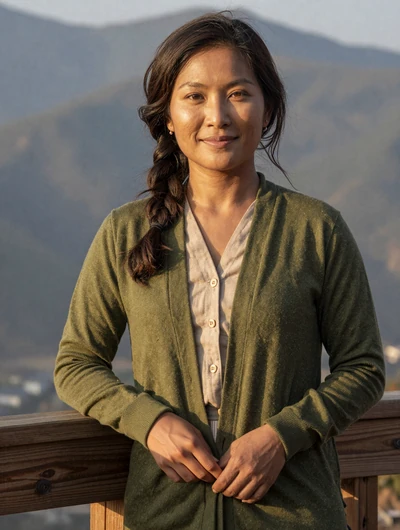
31 · Burlington, VT

27 · Houston, TX
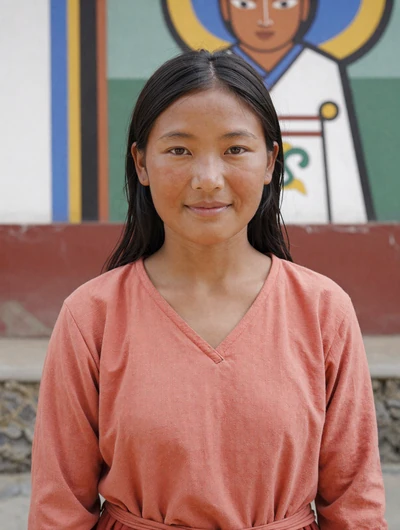
25 · Phoenix, AZ

33 · Denver, CO

28 · Minneapolis, MN
Buddhism is not just a religion in Bhutan - it is the operating system of daily life, the moral framework through which every relationship, decision, and interaction is filtered. Vajrayana Buddhism, the predominant tradition in Bhutan, emphasizes compassion (nyingje), mindfulness (dran pa), and the interconnectedness of all beings. These principles shape how Bhutanese women approach love, commitment, and partnership in ways that American men often find profoundly refreshing.
A Bhutanese woman raised in Buddhist tradition views romantic love not as passionate possession but as a practice of mutual care, patience, and spiritual growth. The concept of karma - the understanding that every action creates consequences - makes Bhutanese women highly intentional in their relationships. They do not date carelessly, because they believe that every connection carries spiritual weight and responsibility.
The Buddhist influence on Bhutanese courtship manifests in several practical ways that distinguish it from Western dating norms. Understanding these differences helps you approach a Bhutanese woman with the cultural sensitivity she deserves:
| Value | Bhutanese / Buddhist Approach | Typical Western Approach |
|---|---|---|
| Pace of Relationship | Slow, deliberate, mindful progression | Often fast-paced, driven by chemistry |
| Conflict Resolution | Patience, listening, seeking inner calm first | Direct confrontation, immediate resolution |
| Material Expectations | Contentment with sufficiency over excess | Often tied to lifestyle and financial ambition |
| Physical Affection | Private, understated, expressed through acts of care | Public, verbal, and physically demonstrative |
| Purpose of Partnership | Mutual spiritual growth and family harmony | Personal fulfillment and emotional excitement |
| Role of Community | Relationship serves the wider community and family | Relationship is primarily between two individuals |
One of the most striking qualities of Bhutanese women is their capacity for mindful presence. In a culture where meditation is a daily practice and temples are woven into the landscape, Bhutanese women bring an unusual depth of attention to their relationships. When she listens, she truly listens. When she speaks, her words carry considered weight. This quality of presence creates a sense of emotional safety and depth that many American men find transformative after experiences with fast-paced, distraction-heavy Western dating culture.
The Buddhist concept of tonglen - the practice of taking in suffering and giving out happiness - shapes how Bhutanese women care for their partners. This is not self-sacrifice but active compassion: a conscious decision to prioritize the well-being of the relationship and the partner. American men who have partnered with Bhutanese women on our platform consistently describe feeling "deeply seen and genuinely cared for" in ways they had not experienced before.
This spiritual depth in relationships also resonates with the Mongolian nomadic tradition of resilience and mutual support. Men drawn to Buddhist-influenced partnership will find parallel qualities among Mongolian women, though Bhutan's unique integration of Buddhism into national policy creates an unmatched depth of cultural mindfulness.
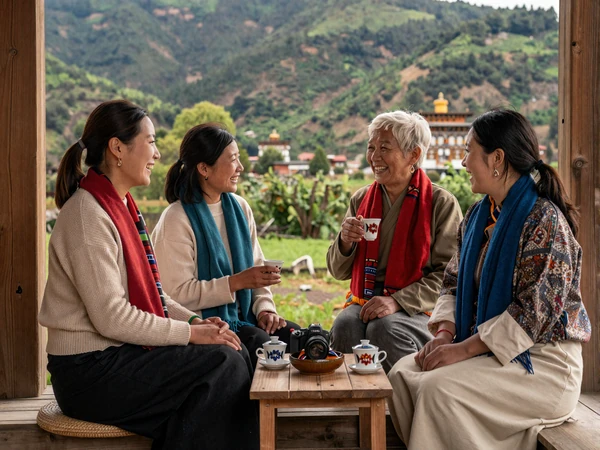
Bhutanese family structure is remarkably distinctive in the Asian context. Unlike many South and East Asian cultures where patriarchal hierarchy dominates, Bhutan has a strong tradition of matrilineal inheritance in many regions, particularly in western and central Bhutan. In these areas, property passes through the female line, and it is common for the husband to move into the wife's family home after marriage. This gives Bhutanese women a degree of social authority and independence that often surprises American men accustomed to assumptions about Asian gender dynamics.
This matrilineal tradition does not mean men are subordinate - it means partnership is genuinely balanced. Both partners contribute to household decisions, and family harmony is valued above individual dominance. For American men seeking egalitarian relationships grounded in mutual respect, Bhutanese culture offers an unusually natural fit.
Traditional Bhutanese courtship follows a progression that reflects the culture's emphasis on community approval and gradual trust-building:
The family-centered nature of Bhutanese courtship shares common ground with traditions in neighboring cultures. You will find similar emphasis on family integration among Nepali women and Indian women, though Bhutan's matrilineal elements give its courtship a uniquely balanced dynamic.
Cultural Insight: In many Bhutanese communities, the practice of "night hunting" (bomena) was historically a courtship custom where young men would visit women's homes at night. While this practice has largely faded in modern Bhutanese and diaspora communities, it reflects Bhutan's historically relaxed attitude toward premarital courtship compared to other Asian cultures - a nuance worth understanding as it shapes the relative openness Bhutanese women bring to dating.
Greet her and her family with a slight bow and hands pressed together. Use "Kuzuzangpo la" (Hello in Dzongkha) to show cultural effort. Avoid casual physical contact until she initiates it.
If she invites you to a temple or prayer room, remove shoes, walk clockwise around stupas, and dress modestly. Never sit with feet pointing toward altars or religious images.
When offered food or butter tea (suja), accept with both hands or your right hand. Declining hospitality can feel dismissive. Try everything offered, even small amounts.
Bhutanese women value measured, sincere communication. Do not rush declarations of love or push for rapid commitment. Demonstrate your seriousness through consistent, thoughtful actions over time.
Effective communication with a Bhutanese woman requires understanding her cultural communication style - one that prizes sincerity, emotional composure, and thoughtful dialogue over rapid-fire texting and bold declarations. Bhutanese culture values tha damtsi - a concept translating roughly to "sacred obligation" or "integrity of word" - meaning that what you say carries deep weight, and promises are taken seriously.
Bhutanese women assess a potential partner's character through the consistency and quality of communication over weeks and months. Here are proven strategies from successful couples on our platform:
If your Bhutanese match is in a different US city or still connected to family in Bhutan (Bhutan Standard Time is 10 hours ahead of US Eastern), maintaining a steady communication rhythm is essential. Voice messages are particularly valued because hearing your voice carries emotional warmth that text alone cannot convey. Plan to meet in person within 3-6 months of consistent online communication to validate your connection.
Shared cultural experiences accelerate bonding: cook Bhutanese dishes together over video (start with ema datshi - Bhutan's beloved chili and cheese dish), watch Bhutanese films, or explore Buddhist meditation practices together. These activities demonstrate that your interest extends beyond the individual to her entire cultural world.

Bhutanese women are among the most culturally distinctive and emotionally grounded partners you can find through cross-cultural dating. Here are the qualities American men on our platform value most:
These qualities share common threads with other Himalayan and Central Asian cultures. The resilience and family devotion of Nepali women and the strength and independence of Mongolian women will resonate with men drawn to Bhutanese partners, though Bhutan's unique happiness-centered philosophy creates an experience all its own.
For relationships with Bhutanese women living outside the United States, the K-1 fiancee visa is the primary pathway to marriage. Key considerations include:
The Bhutanese-American community numbers over 96,000 people, primarily resettled through the US refugee program beginning in 2008. Major community hubs include Columbus, Ohio (the largest concentration), Pittsburgh, Pennsylvania, Atlanta, Georgia, Burlington, Vermont, and cities across Texas and the Midwest. These communities maintain vibrant cultural traditions including Buddhist temple gatherings, Tsechu festivals, archery competitions, and Losar (New Year) celebrations while actively participating in American professional and educational life.
No, you do not need to be Buddhist. However, demonstrating genuine respect for Buddhist values and practices is essential. Many Bhutanese-American women are open to interfaith relationships, particularly if the partner shows willingness to understand and honor Buddhist traditions. Attending temple ceremonies, learning basic meditation concepts, and showing respect for Buddhist iconography in her home will strengthen your connection significantly. Open dialogue about spiritual beliefs early in the relationship is highly recommended.
Gross National Happiness (GNH) is Bhutan's national development philosophy that measures progress through collective well-being rather than economic output. Its four pillars - sustainable development, environmental conservation, cultural preservation, and good governance - translate into relationship values of mutual growth, contentment over materialism, respect for cultural heritage, and balanced partnership. A Bhutanese woman influenced by GNH will prioritize emotional quality, shared purpose, and long-term harmony over material displays or fast-paced excitement.
Family approval is significant in Bhutanese culture, though it tends to be more organic and advisory than the formal approval processes found in some other Asian cultures. Bhutanese families typically want to meet and assess a potential partner through shared meals and social interaction rather than formal interrogation. In Bhutanese tradition, many families consult a Buddhist astrologer to evaluate compatibility. Earning family respect requires demonstrating sincerity, patience, kindness, and genuine interest in Bhutanese culture.
Bhutanese weddings blend Buddhist ritual with community celebration. Key elements include astrological consultation to set an auspicious date, offerings and prayers at a temple or monastery, exchange of white scarves (khadar) symbolizing respect and blessing, traditional dress (gho for men, kira for women), and communal feasting with traditional Bhutanese cuisine including ema datshi and red rice. Weddings typically involve the entire community and can last one to three days. Many Bhutanese-American couples blend traditional elements with Western wedding customs.
Bhutanese cuisine centers on chili peppers and cheese, with ema datshi (chili and cheese stew) as the national dish. Red rice, buckwheat, pork, and dried yak meat are staples. Butter tea (suja) is the traditional beverage served to guests. Food is central to Bhutanese hospitality - cooking together is an intimate bonding activity. Learning to prepare ema datshi, momos (dumplings), or jasha maru (spicy chicken) shows cultural appreciation that will deeply impress both your Bhutanese partner and her family.
Yes, matrilineal inheritance is practiced in many parts of Bhutan, particularly in western and central regions. In these areas, property traditionally passes through the female line, and husbands may move into the wife's family home. This tradition produces women who are confident, self-assured, and accustomed to balanced partnership rather than patriarchal submission. For American men seeking egalitarian relationships, this cultural dynamic creates an unusually natural fit where both partners contribute equally to decision-making and family life.
Yes, every Bhutanese woman on Localdatingusa undergoes our comprehensive verification process including photo verification, email confirmation, and optional video verification. Our 24/7 anti-scam team monitors profiles and investigates suspicious activity within hours. Verified profiles display prominent verification badges so you can identify authentic members immediately. Our Bhutanese member profiles maintain a 93% verification rate, among the highest across all nationality categories on our platform.