In Asian dating culture, family approval isn't a nice bonus - it's a prerequisite. Across India, China, the Philippines, Pakistan, and virtually every Asian nation, your relationship with her family determines whether a partnership moves forward or stalls indefinitely. On Localdatingusa, the American men who build lasting, committed relationships with Asian women are those who understand this reality early and embrace it. Family isn't an obstacle to love in Asian cultures; it's the pathway.
This guide breaks down the specific role families play in Asian dating and marriage across multiple regions in 2026 - from how parents evaluate potential partners to the practical steps you can take to earn their trust. Whether you're dating an Indian woman whose parents expect formal introductions or a Filipino woman whose extended family will welcome you with open arms and a feast, understanding family dynamics gives you a decisive advantage.
Key Takeaway: In most Asian cultures, dating a woman means dating her family. The men who invest time building genuine rapport with her parents and relatives don't just earn approval - they earn a lifelong support system that strengthens the relationship from every side.
The Central Role of Family in Asian Relationships
In Western dating culture, two people decide whether they're compatible, and family involvement comes later - if at all. In most Asian cultures, the sequence is reversed. Her family's opinion carries real weight in whether a relationship progresses, and their involvement isn't interference; it's an expression of love and protection.
Three core values drive this dynamic across nearly every Asian culture:
- Filial piety - Deep respect for parents and elders is instilled from childhood. A woman who ignores her parents' concerns about a partner would be seen as disrespectful in most Asian communities, regardless of her personal feelings.
- Collective decision-making - Marriage in Asian cultures is understood as the union of two families, not just two individuals. Parents evaluate a man's character, financial stability, and long-term intentions because they're investing their daughter's future.
- Long-term stability - Asian family values prioritize enduring partnerships over romantic spontaneity. Parents want evidence that a relationship will last - not just passion, but shared values, reliability, and emotional maturity.
Understanding these values doesn't mean abandoning your own. It means recognizing that the woman you're dating exists within a family system that shapes her expectations, timeline, and emotional comfort. Respecting that system is the fastest path to her heart.
Regional Family Dynamics - From South to East Asia
While family centrality is universal across Asian cultures, the specifics vary enormously by region. A one-size-fits-all approach won't work. Here's how family involvement plays out in the cultures most represented on our platform.
Indian Families: Structure, Formality, and Deep Investment
In Indian dating culture, family involvement is among the most structured in Asia. Parents - and often extended relatives - actively participate in evaluating a partner's suitability. Religion, caste, education, and career stability all factor into their assessment. In urban settings, dating apps are common, but serious relationships still require parental blessing. Rural communities lean more heavily on arranged introductions, though love marriages are growing rapidly among educated professionals. Expect to meet her parents within the first few months of committed dating, and come prepared to discuss your career, family background, and long-term plans with candor and confidence.
Pakistani Families: Honor, Discretion, and Gradual Trust
In Pakistani culture, family honor (izzat) is a foundational value that shapes every romantic relationship. Dating is often more discreet, particularly in conservative families, and arranged marriages remain common - though private dating is expanding among educated urban Pakistanis. Earning her family's trust takes time and requires demonstrating sincerity, patience, and respect for Islamic values. Formal engagement processes and chaperoned meetings are still standard in many families, and a man who rushes this timeline may be perceived as lacking seriousness.
Chinese Families: Pragmatism Meets Parental Authority
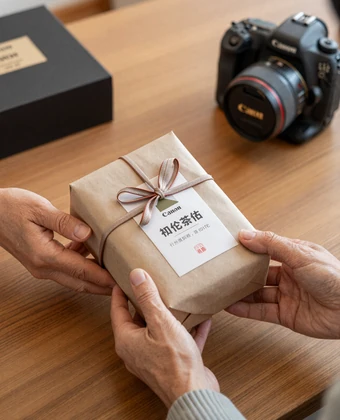
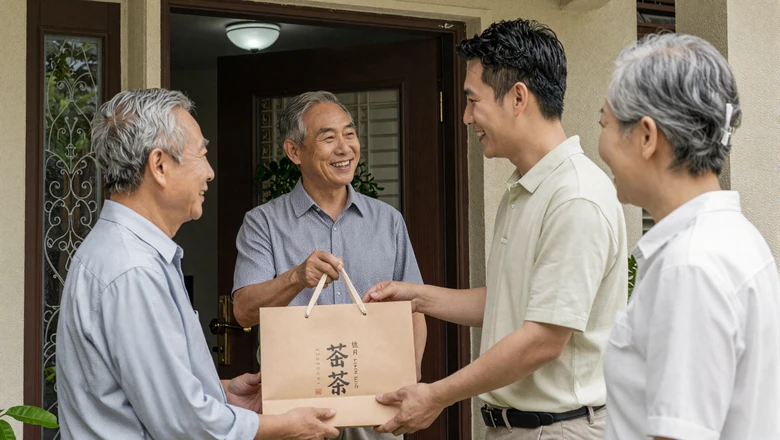
When dating a Chinese woman, expect her parents to evaluate you with practical precision. Financial stability, property ownership, and career trajectory are openly discussed - not because love doesn't matter, but because Chinese parents view these as indicators of a man's ability to provide long-term security. The concept of "men dang hu dui" (matching family backgrounds) still influences parental preferences, especially in traditional households. Bringing a thoughtful gift - quality tea, premium fruit, or fine wine - when meeting her parents demonstrates cultural awareness that resonates deeply.
Filipino Families: Warmth, Openness, and Extended Kinship
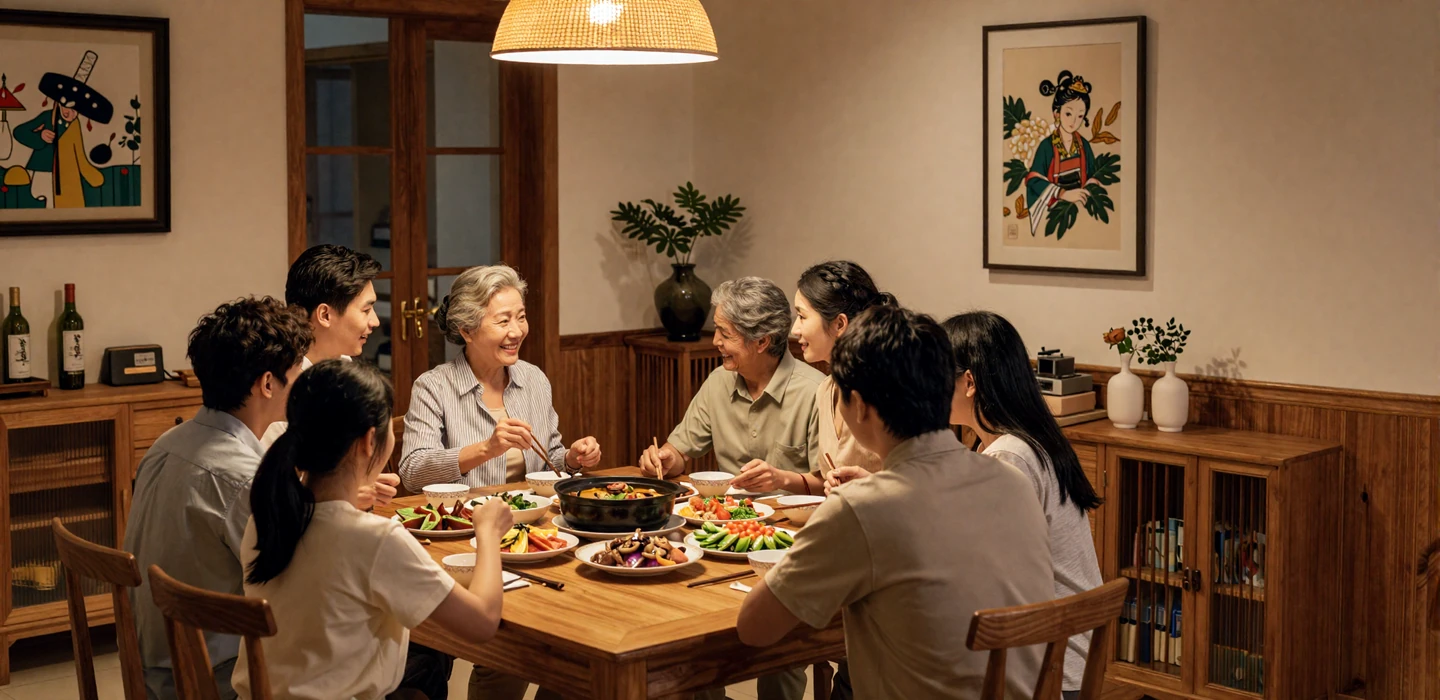
Dating a Filipino woman means entering one of the most family-oriented cultures in the world. Filipino families are typically warm, welcoming, and eager to include a partner in gatherings, celebrations, and daily life. Catholic values shape courtship expectations - chivalry, respect, and patience are prized. The extended family (aunts, uncles, cousins, godparents) all play roles in evaluating a suitor, and earning their collective approval creates a powerful support network. Financial generosity toward her family - even small gestures - signals commitment and care.
Family Involvement Comparison by Culture
| Aspect | Indian | Pakistani | Chinese | Filipino |
|---|---|---|---|---|
| Parental involvement level | Very high | Very high | High | High |
| Typical timeline to meet family | 1-3 months | 2-4 months | 2-4 months | 1-2 months |
| Gift expectations at first visit | Sweets, flowers | Sweets, modest gifts | Tea, fruit, wine | Food, desserts |
| Extended family involvement | Significant | Moderate to high | Moderate | Very significant |
| Religious influence on approval | Strong | Very strong | Low to moderate | Strong (Catholic) |
| Financial assessment openness | Direct | Indirect | Very direct | Subtle |
Pro Tip: Regardless of her specific culture, always address her parents with formal titles unless explicitly invited to use first names. Stand when elders enter the room. Offer to help clear dishes. These small gestures of deference communicate more respect than any words can.